
Cato Platform API
Your SASE platform, programmable.
The Cato API enables programmable access to your account’s data on the Cato SASE Platform.

Today’s Challenges
Manual management doesn’t scale.
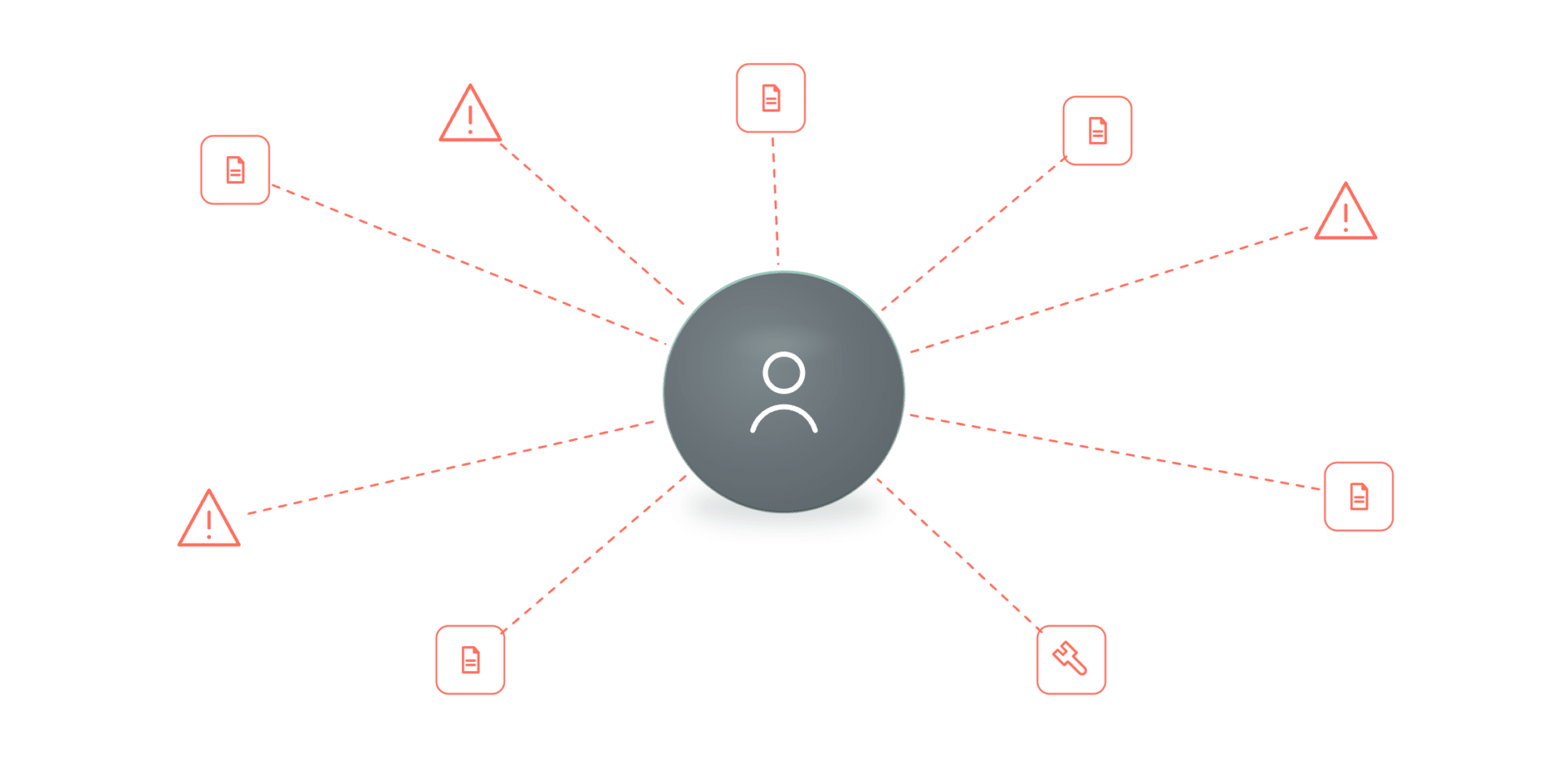
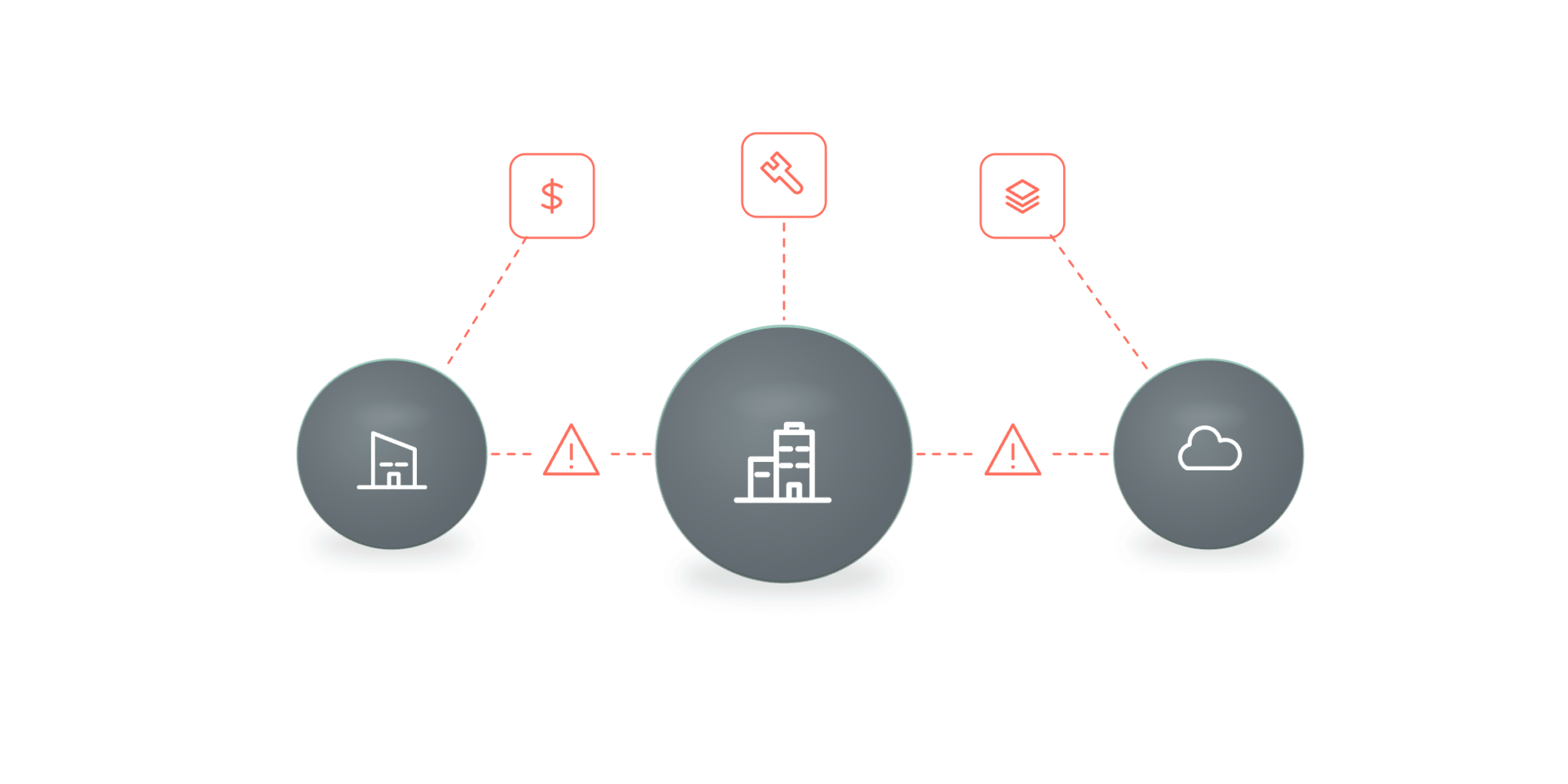

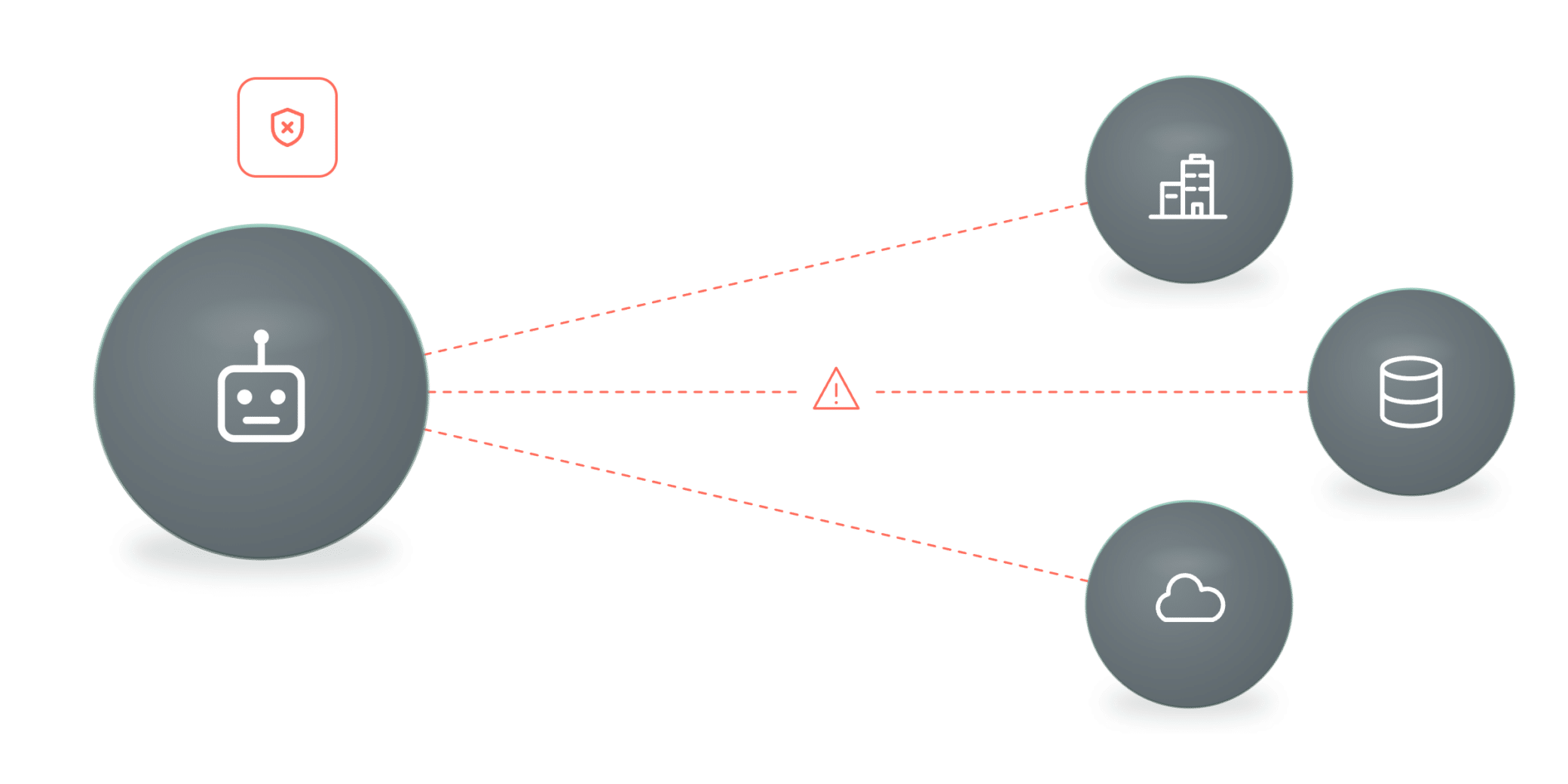
Manual config at scale
Bulk configuration changes done by hand are slow and error-prone across large deployments.
Manual at scale
Data silos
Integration
No governance
Our approach
Integrate, automate, orchestrate.
Manual, console-by-console operations don’t scale across a global network. The Cato Platform API lets you integrate Cato with your enterprise tools, automate workflows across your stack, and extract actionable insights — turning everyday operations into repeatable, programmatic actions.


Generate scoped tokens
Admins create access tokens in the CMA, restricted to specific authorized source IP addresses.

Query with GraphQL
Extract exactly the data you need, efficiently, into your enterprise platforms and workflows.

Automate with mutations
Script bulk configuration changes to manage sites, hosts, and routing at scale.
How it works
Cato Platform API Capabilities
Tokens + audit trail
Secure API access with a complete audit trail
All API access is secured with an access token that only administrators can generate through the CMA.
Restrict tokens to authorized source IP addresses
Create multiple tokens for different uses
Every change logged in the audit trail by token
See it in action
Watch how Cato does it

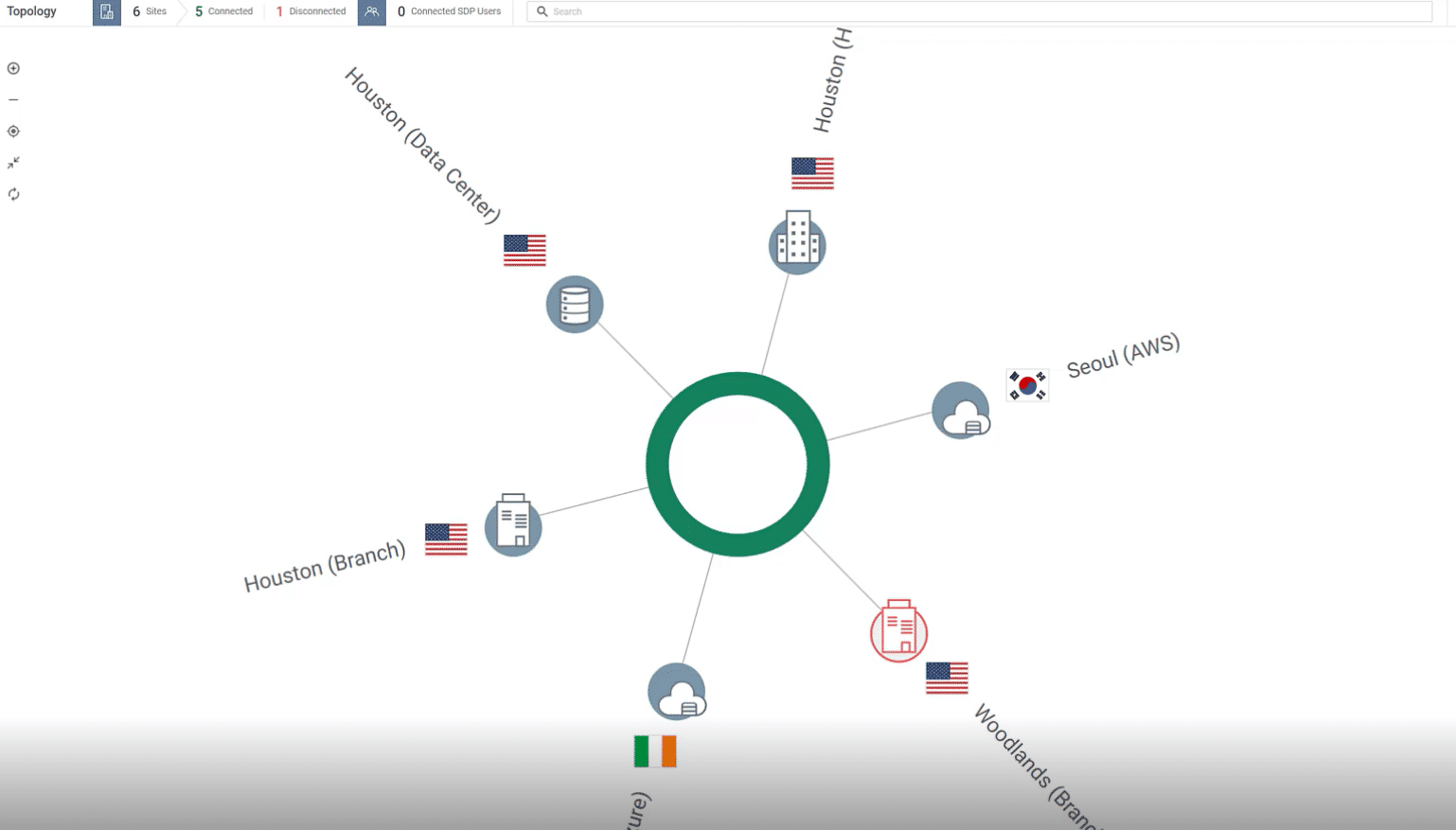
Cato API Video Demo
Customer Stories
Customers love Cato
“
Anything we can tap into with a REST API is huge. You no longer need to be masters of CLI. Instead, your DevOps team can modify or support the business using API’s and services that integrate, orchestrate and automate functions easily.
Carlo Curato
Director of IT Infrastructure, RingCentral

IT/Security Leader
Global Trading Company

Security Leader
Global Construction Company
Get a live demo
Secure every interaction across the enterprise, cloud, and AI with the only purpose-built SASE platform.
What to expect

15–30 minute session with a SASE product expert

Discuss your use cases and how we can help

Live product demonstration where applicable
Get Started
See Cato in Action
FAQS
Answers to common questions
How does the Cato Platform API connect data to enterprise tools?4 questions
What is the Cato Platform API used for?
The Cato Platform API gives teams programmable access to account data and management functions in the Cato SASE Cloud Platform. In practice, it helps teams pull and push data to and from enterprise tools, automate repeatable operational work, and manage larger environments without relying only on manual console changes.
Why does the Cato API use GraphQL?
Cato uses GraphQL so teams can request the specific data they need instead of pulling broad, fixed responses. That matters when data is feeding SIEM, SOAR, archival, reporting, or custom workflows, because fewer unnecessary fields and calls can make integration work cleaner and more efficient.
How does the API help teams integrate Cato with existing tools?
The API gives teams a standard way to connect Cato data and actions to the tools they already use. Cato also points to pre-built integrations with third-party products, including security analytics, SIEM, and operations platforms, so teams do not always have to build every connection from scratch.
What kinds of data can teams extract through the Cato API?
Teams can use the API to extract security, networking, account, status, event, and operational data from Cato into other systems. Common destinations include SIEM, SOAR, archival, reporting, analytics, and internal workflow tools.
How does the API automate Cato environment management?3 questions
What can mutation APIs automate?
Mutation APIs let teams make configuration changes programmatically, including bulk changes across sites, hosts, and routing. That is useful for large or distributed deployments where repeating the same change through a console would be slow, inconsistent, or easy to miss.
How is access to the Cato API secured?
API access is controlled with access tokens generated by administrators in the Cato Management Application. Tokens can be scoped for different uses and restricted to authorized source IP addresses. Configuration changes made through the API are also recorded in the audit trail, including the token used and the change performed.
How can teams test API queries before production use?
Cato provides an API Playground for testing GraphQL queries against an account with an API key. Teams can use it to learn the schema, test connectivity, refine queries, and validate behavior before putting code into a production workflow.
Who benefits most from the Cato Platform API?1 question
Who benefits most from the Cato Platform API?
The API is most useful for network, security, DevOps, and platform teams that manage distributed environments or depend on automation. It is especially relevant when Cato data needs to flow into existing SIEM, SOAR, reporting, compliance, or infrastructure workflows, or when teams want repeatable changes instead of one-off manual updates.


