
Endpoint Protection (EPP)
Endpoint protection, managed by SASE.
Cato EPP is the industry’s first SASE-managed EPP solution.

Today’s Challenges
Endpoints are the soft target.
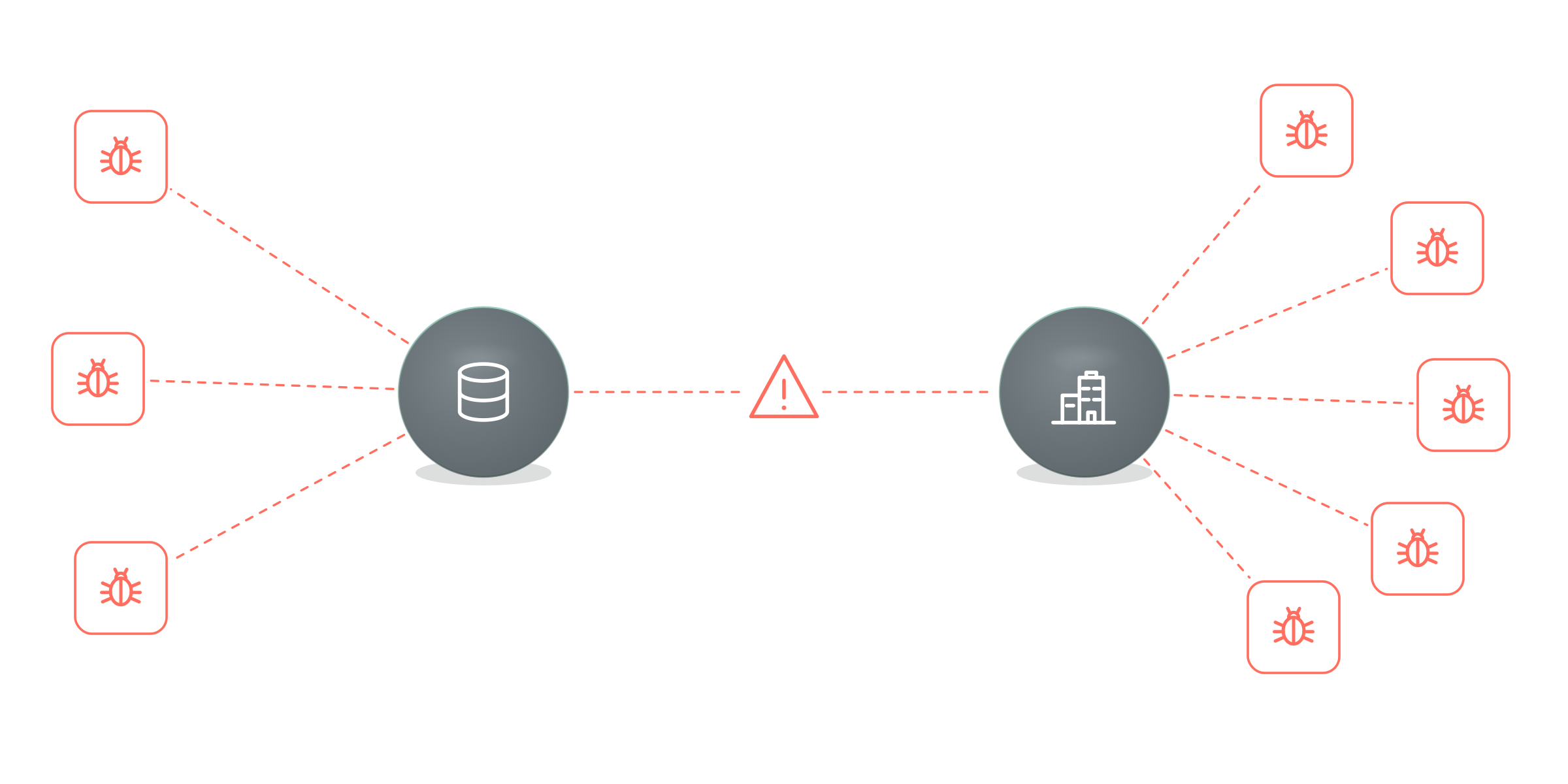


Evasive, fileless malware
Polymorphic, fileless, and living-off-the-land attacks slip past signature-only endpoint tools.
Evasive malware
Slow response
Tool sprawl
Siloed data
Our approach
Detect on the endpoint.
Respond from one console.
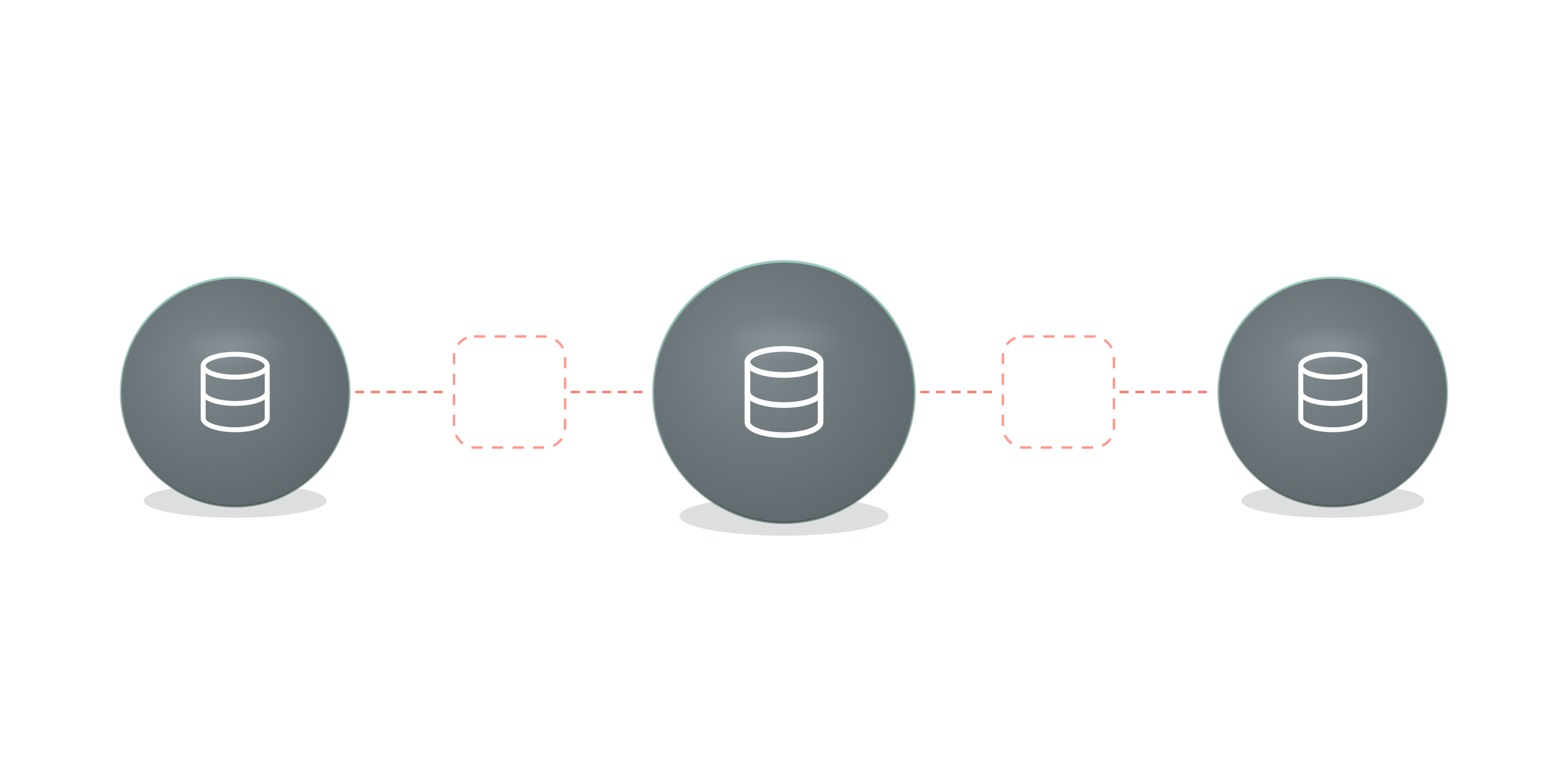
Endpoint and network security managed separately leave gaps attackers exploit. Cato EPP brings endpoint protection into the same SASE platform and data lake, stopping malware before and during execution while keeping one console for endpoint and network.


Scan and analyze
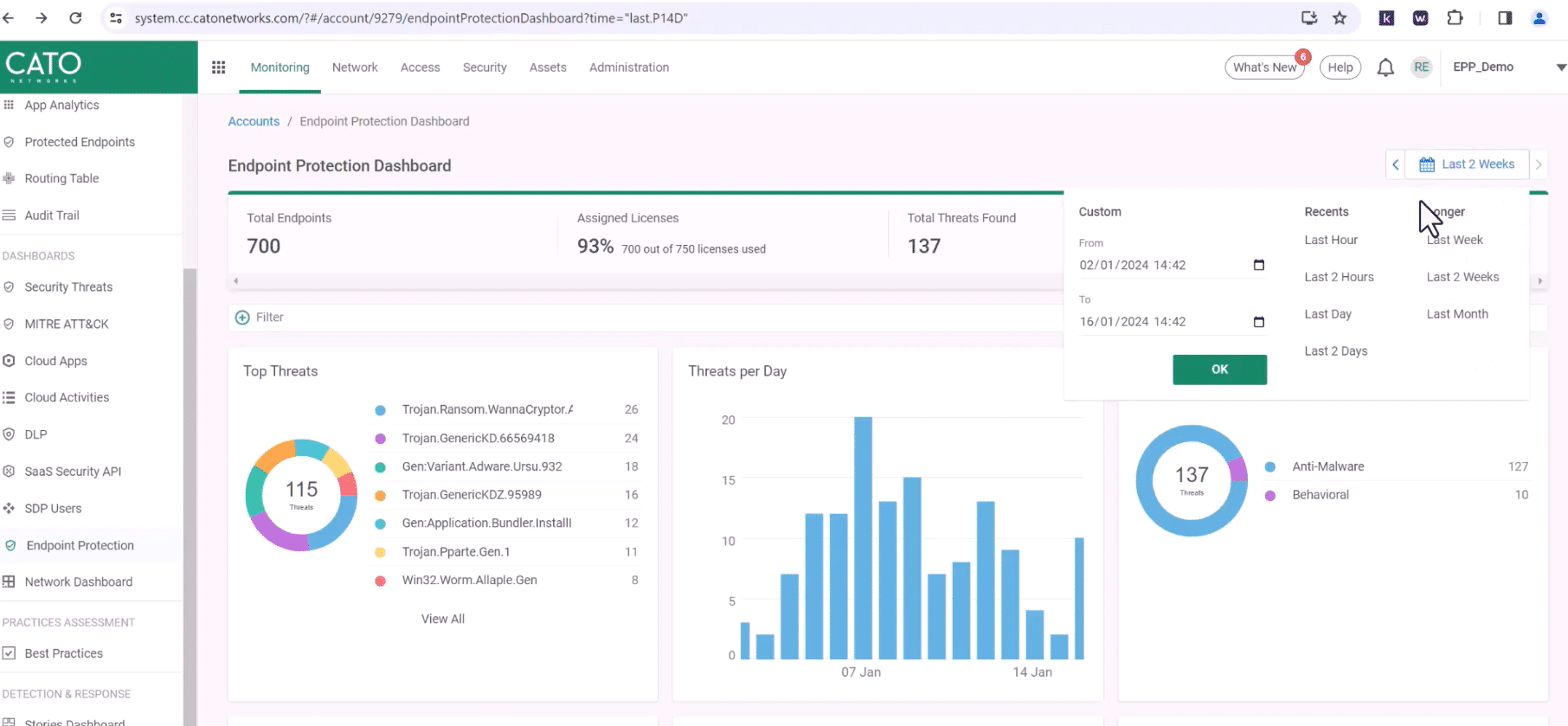
Scan 300+ file types and analyze process behavior to catch malware before execution and in runtime.

Contain on your terms
Block threats, quarantine files, or terminate processes — with policies tuned to your risk tolerance.

Unify with SASE
Manage from the CMA and feed one data lake — XDR-ready, with no standalone agent or SIEM wiring.
White Paper
The Industry’s First SASE-managed EPP Has Arrived
How it works
Endpoint Protection (EPP) Capabilities
Before execution and in runtime
Stop malware before file execution and in runtime
Cato EPP scans over 300 file types and uses rule-based analysis, machine learning, and behavioral analysis to identify threats.
Scan 300+ file types, including archives and packed files
Catch known, polymorphic, and zero-day malware
Detect fileless and living-off-the-land attacks
XDR-ready
One data lake for network and endpoint
Cato EPP events are stored in the same data lake as all other Cato engines, fueling AI/ML detection in Cato XDR.
Endpoint and network sensors in one data lake
Optimal AI/ML threat detection and investigation
Filter by user or device in one unified view
See it in action
Watch how Cato does it

Endpoint Protection Platform Video Demo
Customer Stories
Customers love Cato
“
You are bringing the endpoint layer also within the network, so you have endpoint analytics followed by network analytics, which is a different game.
IT/Security Leader
Apparel Company

Matteo Daina
CIO, Gnutti Carlo Group

Shayne Green
Head of Security Operations, CloudFactory
Get a live demo
Secure every interaction across the enterprise, cloud, and AI with the only purpose-built SASE platform.
What to expect

15–30 minute session with a SASE product expert

Discuss your use cases and how we can help

Live product demonstration where applicable
Get Started
See Cato in Action
What’s new
Latest resources and insights

FAQS
Answers to common questions
How does Cato unify endpoint protection with SASE and XDR?4 questions
What is Cato EPP and what makes it different from traditional endpoint protection products?
Cato EPP is the industry’s first SASE-managed endpoint protection solution. Unlike standalone EPP products that require separate integrations, SIEM wiring, and additional management overhead, Cato EPP is natively built into the Cato SASE Cloud platform. Endpoint and network security are managed from a single console, and all events feed into one shared data lake, eliminating the siloed data and tool sprawl that traditional approaches create.
How does Cato EPP integrate with the broader SASE platform?
Cato EPP is fully managed through the Cato Management Application (CMA), the same console used to manage network and security policies across the Cato platform. Endpoint events are stored in the same data lake as all other Cato engine data, enabling unified filtering by user or device and fueling AI/ML-powered detection in Cato XDR without any standalone agent or SIEM wiring required.
How does a unified endpoint and network security approach compare to managing them separately?
When endpoint and network security are managed in separate tools, gaps emerge that attackers can exploit. A unified approach brings both sets of sensors into one data lake, giving security teams correlated visibility across endpoint and network events in a single view. As one customer described it, having endpoint analytics followed by network analytics together is “a different game” compared to operating them in isolation.
How does Cato EPP support XDR capabilities?
Cato EPP events are stored in the same data lake as all other Cato engines, making the platform XDR-ready out of the box. This shared data foundation enables optimal AI/ML threat detection and investigation by combining endpoint and network telemetry in one place, without requiring separate data pipelines or integrations.
How does Cato EPP detect and respond to endpoint threats?2 questions
What types of threats does endpoint protection need to catch, and how does Cato EPP address them?
Modern attackers use evasive techniques that bypass traditional signature-based detection, including polymorphic malware, fileless attacks, and living-off-the-land exploits. Cato EPP addresses this by combining rule-based analysis, machine learning, and process behavioral analysis to detect threats both before file execution and at runtime, covering known, polymorphic, fileless, and zero-day attacks across more than 300 file types including archives and packed files.
What response options are available once a threat is detected?
Cato EPP gives administrators flexible containment options tuned to their organization’s risk tolerance. When a threat is identified, policies can be configured to block the threat, quarantine the affected file, or terminate the offending process.
How does Cato EPP reduce deployment and operating overhead?2 questions
What is the overhead involved in deploying and operating a SASE-managed EPP versus a standalone product?
A standalone EPP product requires integration work, ongoing maintenance, and SIEM wiring, all of which add cost and management burden. Because Cato EPP is built into the Cato SASE platform, there is no separate agent to wire up and no additional SIEM configuration needed. Management happens through the same CMA console already used for the rest of the Cato environment.
Who is Cato EPP designed for?
Cato EPP is designed for organizations that want to consolidate endpoint and network security under a single SASE platform. It is particularly well suited for teams looking to reduce tool sprawl, eliminate siloed security data, and manage endpoint protection through the same console they already use for network security, without taking on the overhead of a separate standalone product.


