AI Security
Secure the AI you use,
protect the AI you build,
and control AI agents.
Holistic governance and protection in one cloud-native solution.

Today’s Challenges
AI is everywhere in your enterprise, but it’s
mostly ungoverned.
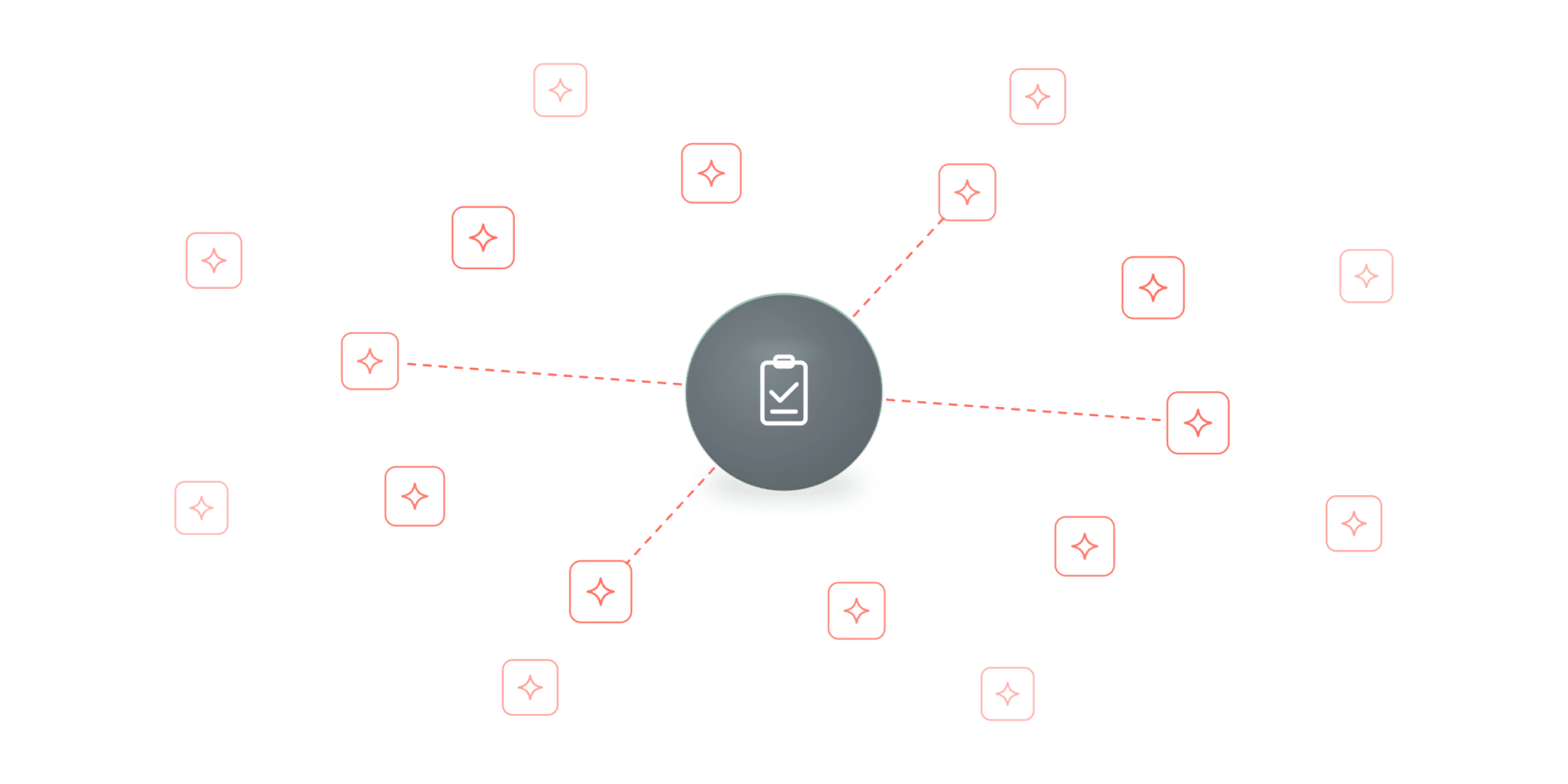
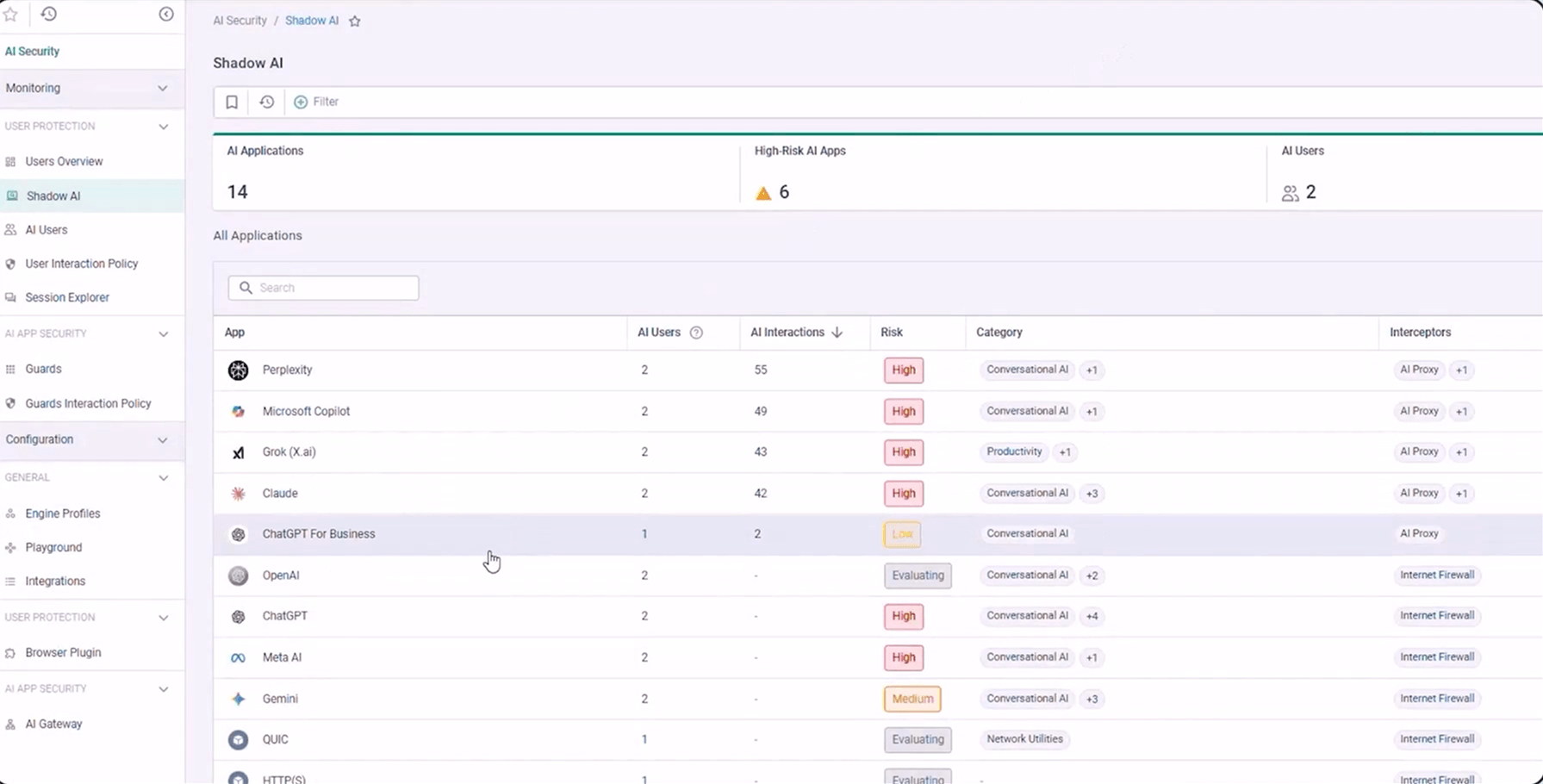
Shadow AI sprawl
Unsanctioned AI tools and agents spread across teams far faster than security can discover or assess them.
Shadow AI
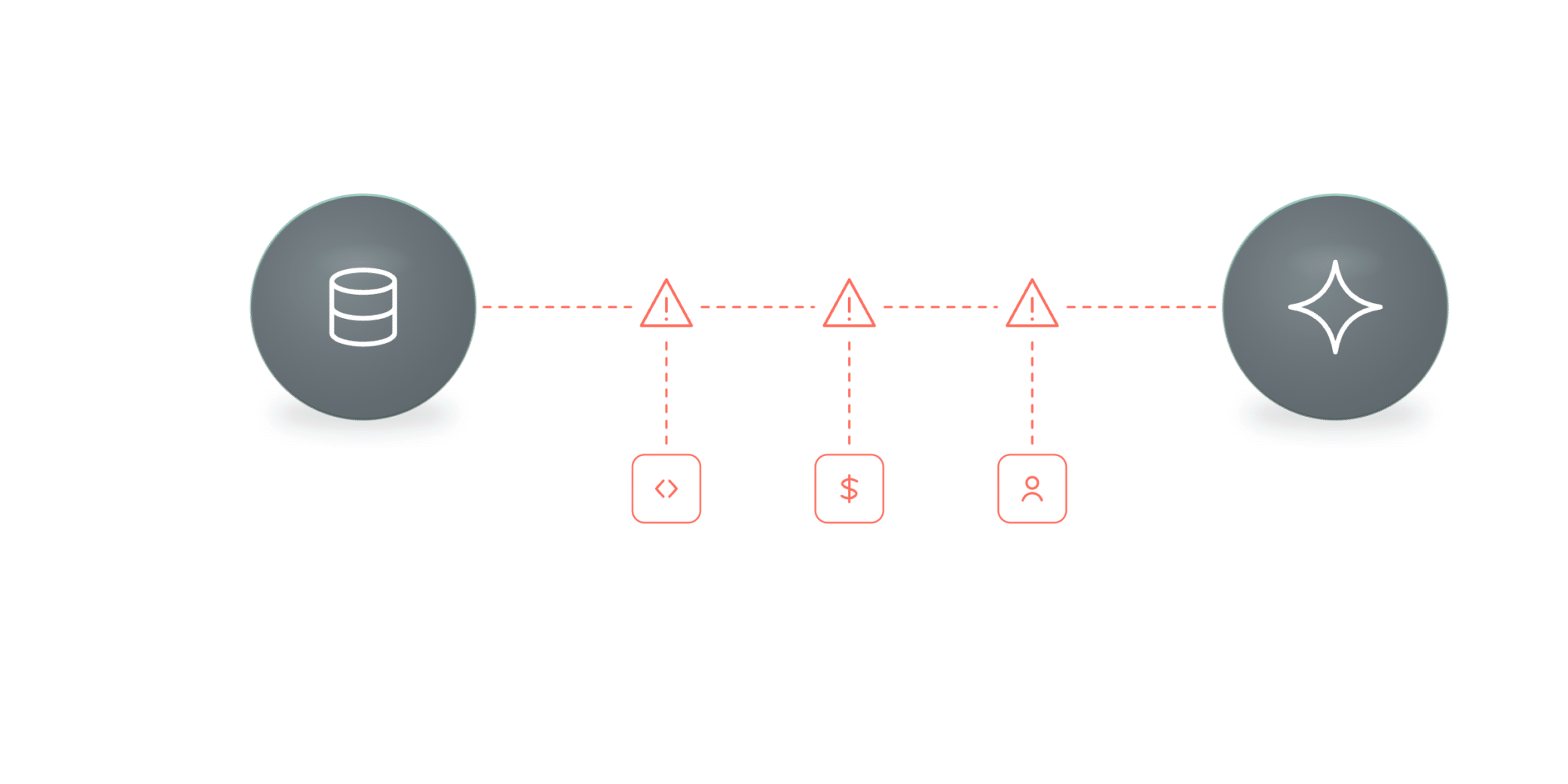
Data exposure
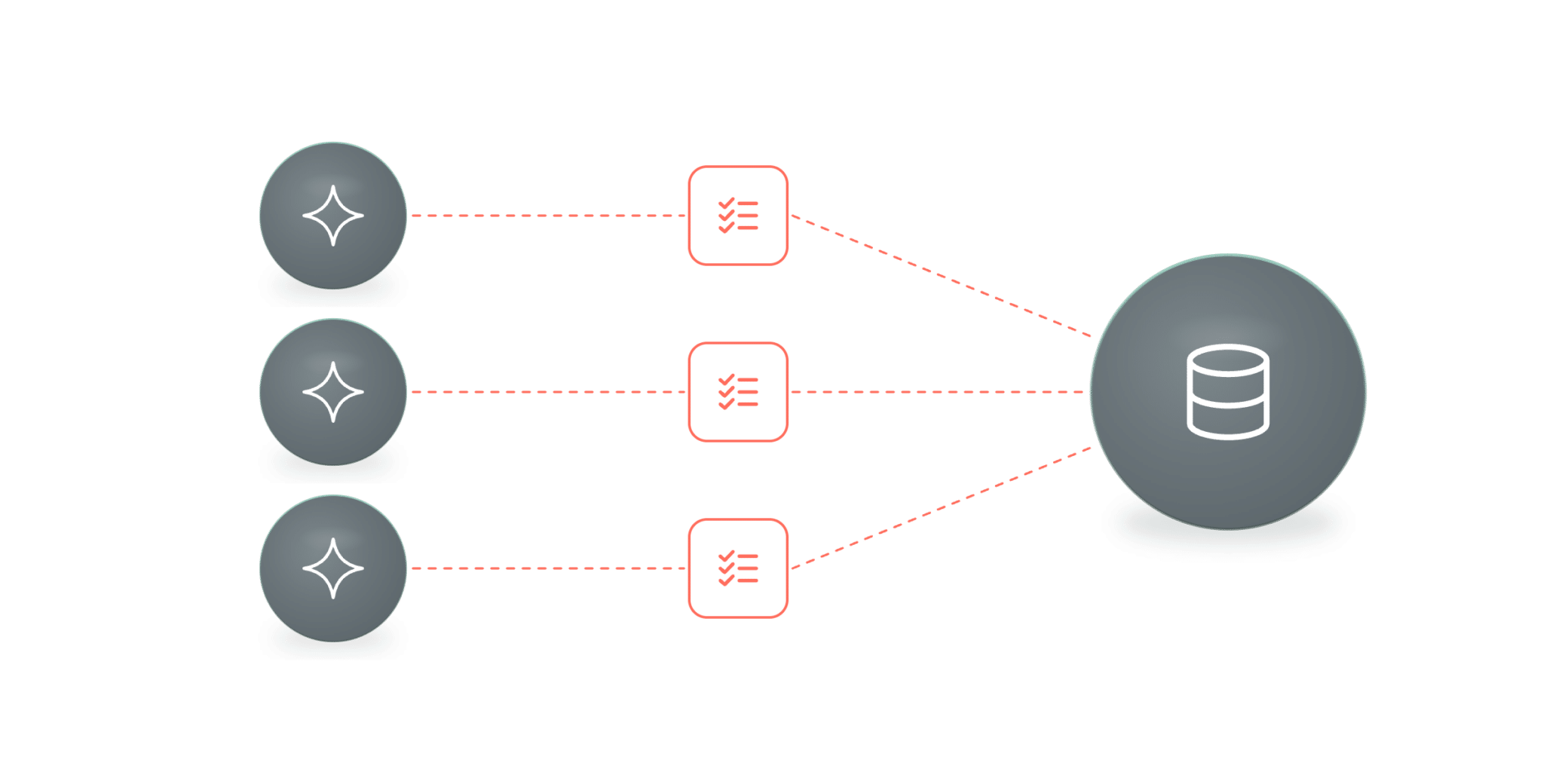
Ungoverned agents
Our approach
Govern AI with Confidence.
Cato AI Security secures the AI adoption journey through a cloud-native solution that delivers holistic protection and governance. It provides a unified solution to manage AI usage, applications, and agents at enterprise scale.


Trustworthy Guardrails
Prevent data leaks, runtime attacks, and compliance gaps with real-time, enforceable guardrails.

Operational Efficiency
Retire fragmented AI security tools and manual oversight for a single converged policy and console.

AI Governance
Govern AI usage across users, applications, and agents, and maintain compliance as adoption grows.
eBook
CISO Six-Step Plan for Secure AI Transformation
How Cato solves it
One solution across every way your enterprise touches AI.
For end users
Secure AI usage for end users
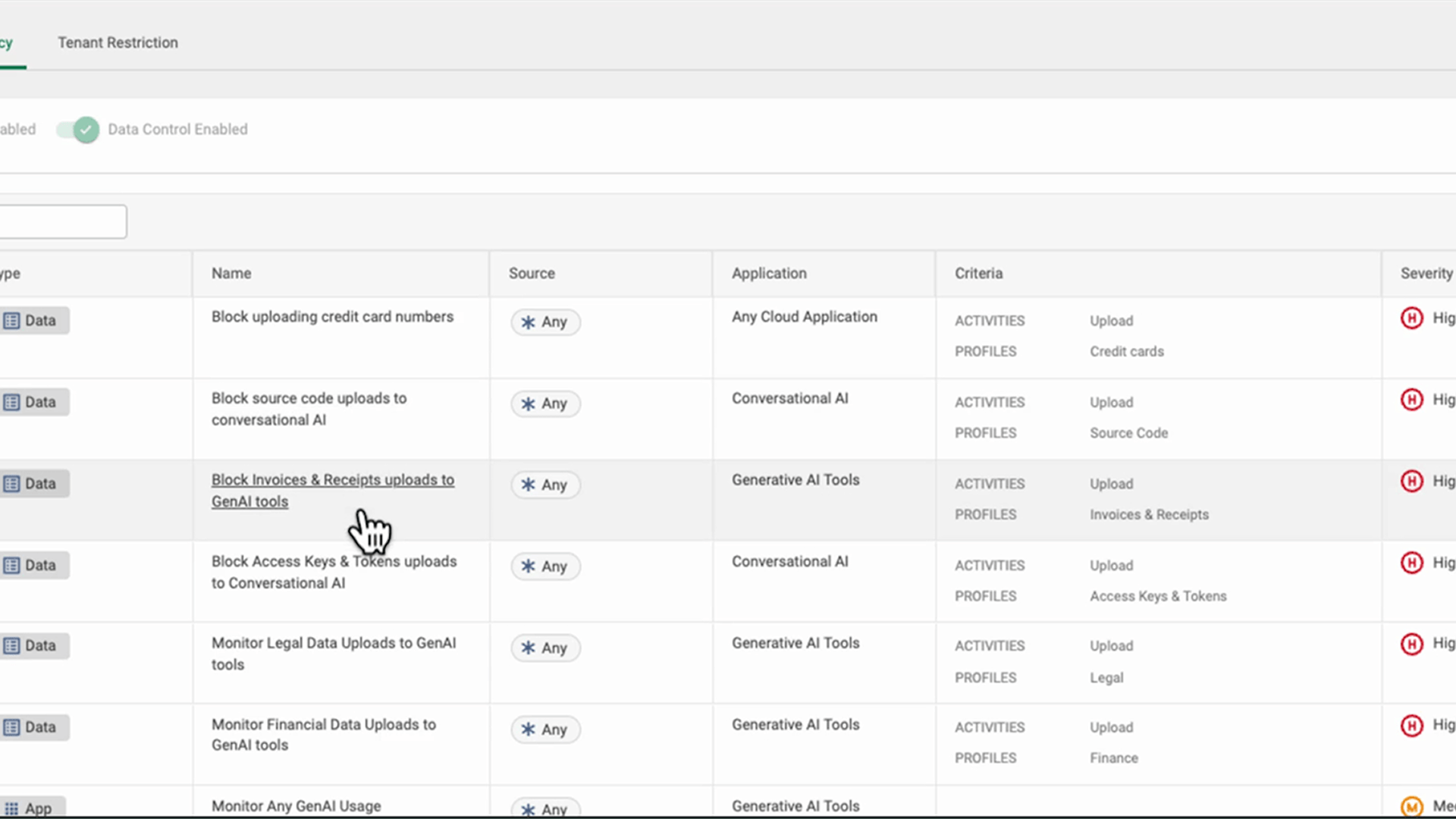
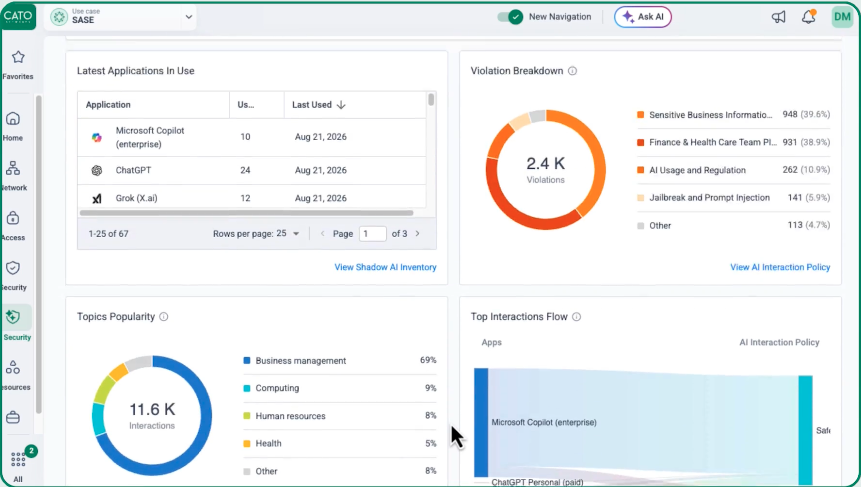
Discover shadow AI, inspect every prompt and response, and enforce real-time guardrails so people adopt AI without putting data at risk.
For applications
Protect AI applications and agents at runtime
Defend the AI apps and agents you build against prompt injection, data leakage, and runtime attacks without slowing development.
For agents
Secure agentic AI across the enterprise
Discover MCP servers, profile agent actions and tool calls, and govern autonomous workflows with a full audit trail.
See it in action
Watch how Cato does it

Shadow AI is Everywhere.

Control How Your Enterprise Uses AI
Secure Enterprise AI Innovation
One platform
Start anywhere. Grow everywhere.
AI Security is one of five converged solutions on the Cato SASE Cloud. Adopt what you need now — extend across the rest on the same platform.

You are here
AI Security

SASE Convergence
One converged platform

Zero Trust Security
Adaptive, risk-based policy

Universal ZTNA
Secure access everywhere

Next Gen Networking
Global private backbone
Customer Stories
Customers love Cato
“
Having the right AI security solution gave me the confidence to say yes to the business. It didn’t just protect us — it accelerated our AI adoption because I could enable our teams instead of blocking them.
Doug Innocenti
CIO/CSO, MoonPay

Alfred Sobrinho
CIO, PlayPower

Chidi Alams
Chief Information Officer, Just Born Inc
Nick Hidalgo
VP, Information Technology, Redner’s Markets
Guy Pascarello
VP, Information Technology, AKRF
Get a live demo
Secure every interaction across the enterprise, cloud, and AI with the only purpose-built SASE platform.
What to expect

15–30 minute session with a SASE product expert

Discuss your use cases and how we can help

Live product demonstration where applicable
Get Started
See Cato in Action
What’s new
AI Security resources in one place


SOLUTION BRIEF
AI Security Solution Brief
WEBINAR
Secure Your AI Transformation
SOLUTION BRIEF
AI Detection Engine Solution Brief
CHECKLIST
What CISOs Must Ask AI Security Vendors
FAQS
Answers to common questions
What AI risks does Cato AI Security help organizations discover and govern?4 questions
What is Cato AI Security?
Cato AI Security is Cato’s solution for governing and protecting enterprise AI across users, applications, and agents. It helps security teams see which AI tools are being used, control how sensitive data is handled in AI interactions, and apply policy to AI interactions, agents, and workflows without forcing the business to choose between AI adoption and security oversight.
What AI risks is Cato AI Security designed to address?
Cato focuses on three practical AI security problems: shadow AI, data exposure, and agentic risks. Shadow AI appears when employees use unapproved AI tools or launch AI-powered applications and agents. Data exposure happens when prompts, uploads, outputs, or tool calls expose sensitive information to AI tools. Agent risk grows when AI-powered agents act autonomously, using data and tools, without consistent policy and monitoring.
How does Cato help discover shadow AI?
Cato identifies AI applications, embedded AI features, and AI agents across the enterprise, including tools that were not formally approved. The goal is not simply to block everything. It gives security teams the visibility they need to understand what AI exists in the enterprise, who is using it or building with it, what the risk level is, and which activity may require policy, education, or stronger controls.
Who is Cato AI Security designed for?
It is designed for security, AI governance, and risk leaders who need to let the business use AI while maintaining control over data, access, and agent behavior. It is especially relevant for organizations already seeing unsanctioned AI tools, developer agents, MCP servers, embedded SaaS AI features, or AI workflows that are moving faster than existing governance processes.
How does Cato protect sensitive data and secure AI agents?2 questions
How does Cato reduce the risk of sensitive data exposure?
Cato applies security controls to AI interactions so sensitive data is less likely to leave the organization through prompts, uploads, responses, or agent activity. That matters because AI risk often appears in normal workflows and interactions: a user pastes source code into a chatbot, uploads a customer file, or connects tools and agents to systems that contain regulated or confidential data.
How does Cato secure AI agents?
Cato AI Security for Agents gives teams visibility and control over agents that can access tools, data, and systems. It can discover local agents and connected MCP servers, help profile agentic risk, and apply runtime protection to prompts, model outputs, tool calls, and tool messages. That gives security teams a way to govern agentic AI without treating every agent as a one-off exception.
How does Cato AI Security fit into a unified security platform?2 questions
How is Cato AI Security different from using point tools?
Point tools can help with a narrow slice of AI security, but they often leave separate views for users, applications, agents, network traffic, and data policy. This creates operational complexity, as teams manage separate tools for each type of AI activity. Beyond AI, Cato AI Security is built into the Cato SASE Cloud, so AI governance sits alongside networking, access, and security policy in one platform. By Combining AI activity with network, CASB, endpoint, and behavioral telemetry, Cato improves detection accuracy and provides a broader investigation context.
Does Cato AI Security fit into the broader Cato platform?
Yes. Cato AI Security is one of the converged solutions on the Cato SASE Cloud platform. Organizations can start with AI Security and later expand into related capabilities such as Zero Trust Security, Universal ZTNA, Next Gen Networking, or SASE Convergence without moving to a separate architecture.


