SOC 2 Type II + HIPAA Attestation: Trust You Can Audit, Not Just Accept

|
Listen to post:
Getting your Trinity Audio player ready...
|
There’s a little neighborhood coffee shop I love that runs like a Swiss watch.
Every night, the owner doesn’t just flip the sign to “Closed.” They run a checklist: count the till, lock the back door, log fridge temps, sanitize the espresso wand, test the alarm, and write it all down. Not because they expect trouble, but because consistency is foundational to security. The shop earns trust the boring way: by doing the right things, repeatedly, even when nobody’s watching.
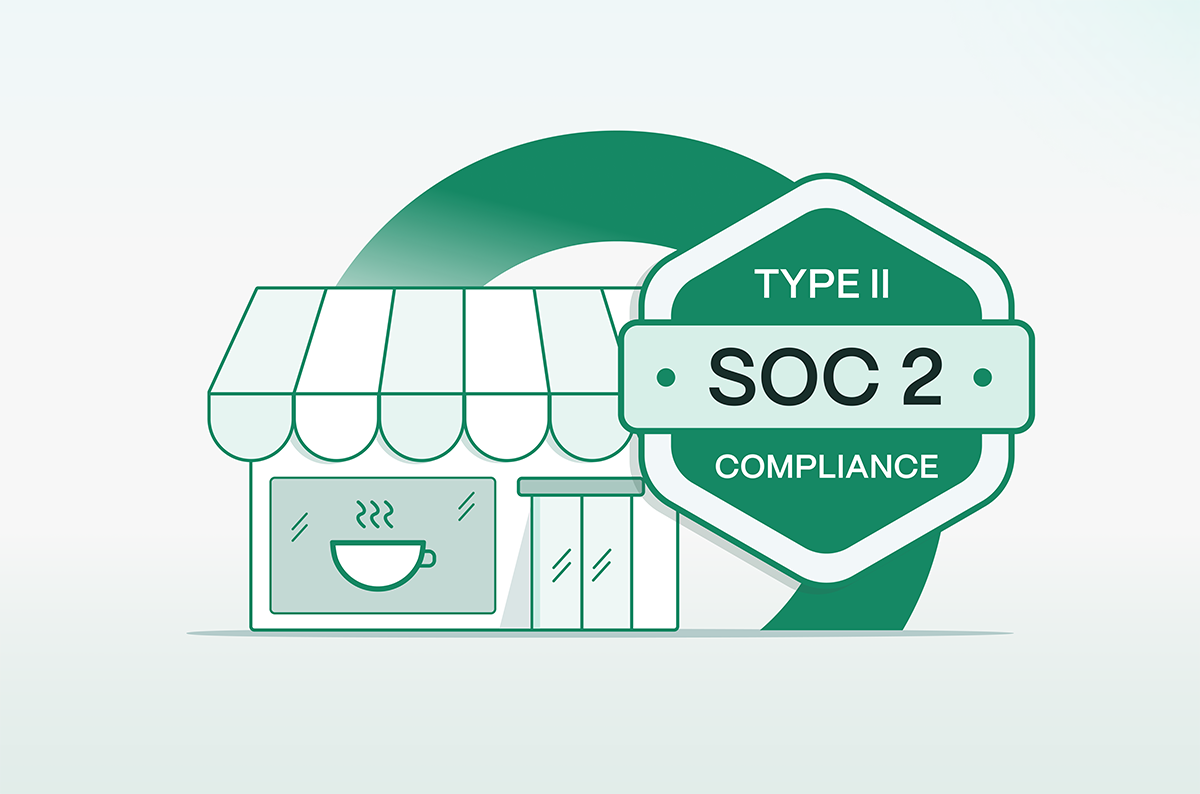
That’s the spirit behind what we’re communicating today: Cato has renewed our SOC 2 Type II for another year and added HIPAA attestation.
SOC 2 is one of the most recognized third-party validations of a company’s security and operational discipline. It evaluates controls across the Trust Services Criteria — security, availability, processing integrity, confidentiality, and privacy. For organizations handling healthcare data, HIPAA attestation adds an extra layer of assurance aligned to safeguarding protected health information. It helps businesses in health care validate that the operational disciplines they need, like access controls, monitoring, and incident handling, are supported by reviewable evidence.
SOC 2 Type II: Proof, Not Promises
For technology providers, cloud platform providers, and SaaS companies, SOC 2 is often table stakes. Enterprise customers, regulated industry businesses, and security-mature organizations rely on it to reduce vendor risk, streamline procurement reviews, and gain independent assurance that critical systems and data are protected. In short, SOC 2 helps turn security claims into verifiable evidence — and that matters to anyone building on, integrating with, or entrusting data to your platform.
Unlike SOC 2 Type I, Type II isn’t just a moment-in-time snapshot. It’s not “we had those controls last Tuesday.” It’s proof, over a year-long audit period, that controls are not only designed appropriately, but operating effectively over the entire period. In other words: the coffee shop’s closer ran the checklist every night, not just when the inspector walked in.
Without HIPAA Attestation, The Risk is All Yours
When a security vendor lacks HIPAA attestation, the compliance risk transfers to you, the customer. Healthcare organizations and any business that handles protected health information remain legally accountable for meeting HIPAA Security requirements. Without third-party attested assurance from their providers, your business must accept greater regulatory exposure, and increased audit scrutiny. A formal HIPAA attestation doesn’t absolve a customer of its responsibilities, but it significantly reduces uncertainty and risk in the vendor solution. Since Cato’s mission is to bring simplicity to your security efforts, this attestation is an important validation of our model.
Trust is Not a PDF. It’s an Operating Model.
Yes, reports matter. Procurement teams ask for it. Risk teams verify it. Security leaders rely on third-party validation. But what our SOC 2 Type II + HIPAA attestation really represents is something bigger: continued investment in how Cato is built and operated.
Cato was designed as a cloud-native platform that converges networking (SD-WAN) and full-stack security into a single cloud service, with security and privacy as foundational principles. This architecture pays off in a practical way: fewer moving parts, fewer integration seams, and consistent, secure access across users, sites, and cloud resources.
We Evolve Security So You Don’t Have To
Just like the coffee shop that runs its closing checklist every single night, our SOC 2 Type II and HIPAA attestation is proof that the routine happens consistently — not just when someone is watching. It’s a documented, repeatable discipline, independently verified. For customers operating in regulated environments, that kind of evidence reduces uncertainty, strengthens defensibility, and builds confidence from the security team to the boardroom.
And just as importantly, it means you don’t have to build and manage that checklist yourself. Cato continuously raises the security bar behind the scenes — evolving controls, strengthening monitoring, and aligning to regulatory requirements — so your team isn’t stuck stitching tools together or revalidating the same risks quarter after quarter. If you’re entrusting a provider with sensitive data, ask to see the checklist and review the audits.
Visit our Trust Center to see how we stack up. Because in healthcare — and in security — trust isn’t declared. It’s demonstrated, night after night, so you can focus on running your business.


Related Articles
Unlock the Retail Edge: How Partners Can Lead with Cato


The Partner Advantage: Turn Customer M&A Chaos Into Opportunity