
ZTNA Alone Won’t Win the Zero Trust Race. Here’s Why.

|
Listen to post:
🔊 This audio player requires that "Preferences" cookies be accepted
|
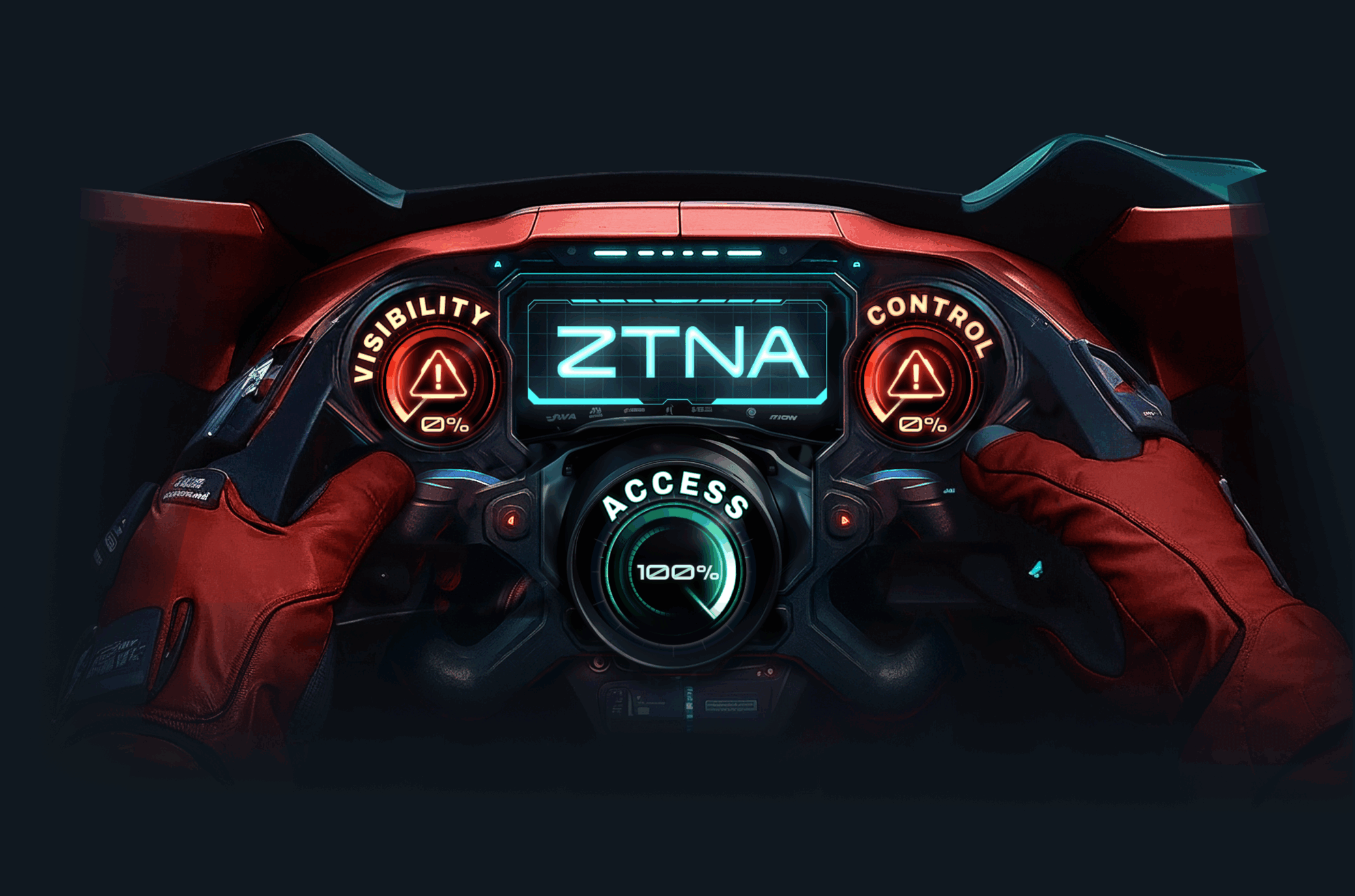
In the race to secure modern enterprises, Zero Trust Network Access (ZTNA) is gaining speed, and has become the default remote access solution for many enterprises. But while ZTNA is a fabulous on-ramp to Zero Trust and a broader security strategy, it’s not enough to secure the win on its own. Operationalizing Zero Trust requires takes than just access control. It requires a security platform play: convergence, continuous risk evaluation, and visibility across every edge.
In this blog, we unpack what enterprises need to achieve true Zero Trust, and how they can meet their security needs for deep visibility, shared context, consistent policy enforcement, and advanced capabilities.
ZTNA is Gaining Traction, and Rightfully So
ZTNA adoption is booming. As hybrid and remote work models take over, organizations are replacing VPNs with cloud-based access control. VPNs offer a poor user experience, management complexity and insufficient security controls.
ZTNA, on the other hand, was built for the cloud-first, work-from-anywhere era. Users get direct, secure connections to the apps they need from anywhere in the world. In fact, market predications suggest that by 2025, 70% of new remote access deployments will use ZTNA instead of VPNs.
ZTNA Alone Leaves Zero Trust and Operational Gaps
But here’s the catch: ZTNA only controls who gets in. It doesn’t monitor what happens when users are inside the network. ZTNA lacks visibility, policy enforcement, and doesn’t block threats or prevent lateral movement.
Plus, when ZTNA is deployed in isolation into legacy stacks, it creates friction and fragmentation. Organizations are left juggling siloed tools that:
- Require ongoing maintenance
- Struggle to enforce consistent policies
- Lack shared context
- Frustrate users with laggy performance and frequent access issues
In short: a standalone ZTNA solution slows you down—adding friction, not protection.
Drive to Survive: Why ZTNA Alone Won’t Win the Race | Download the full guideZero Trust is a Framework, Not a Feature
Even the best ZTNA solution in the world can’t achieve Zero Trust on its own. Because Zero Trust isn’t a product.
Achieving true Zero Trust is an ongoing race, spanning network segmentation, deep visibility into user and device behavior, continuous validation, and policy enforcement across users, devices, and applications.
This means adding threat prevention capabilities, device and identity posture checks, network micro-segmentation, DLP controls, continuous traffic inspection, unified policy enforcement, and more—on top of ZTNA.
The SASE Approach Powers True Zero Trust
ZTNA is one part of the Zero Trust puzzle. But for real protection and real Zero Trust, enterprises need a converged platform with monitoring, logging, analytics, and real-time response. These will allow Zero Trust to adapt and evolve.
A single-vendor SASE platform offers capabilities that power a unified Zero Trust strategy approach:
- Global private backbone: Global connectivity, high performance, low latency
- Continuous posture enforcement: Real-time and contextual access decisions
- AI-powered threat detection: Real-time analytics and insights
- Unified visibility and policy control: one place to see and secure everything
The Takeaway
Looking into ZTNA is a great first step, but to survive and thrive in today’s high-risk digital world, you can’t settle for access control and siloed security. Shift into high gear with a full platform approach that brings true Zero Trust to your enterprise.
ZTNA is the start. Converged SASE is how you finish the race.
Download the full guide: “Drive to Survive: Why ZTNA Alone Won’t Win the Race.”


Related Articles
From Alerts to Action: Dynamic Prevention



Frontier AI and the Demise of Hardware Security