Sentra and Cato XOps: Turning Data Risk into Active Mitigation


|
Listen to post:
🔊 This audio player requires that "Preferences" cookies be accepted
|
AI Changed the Problem
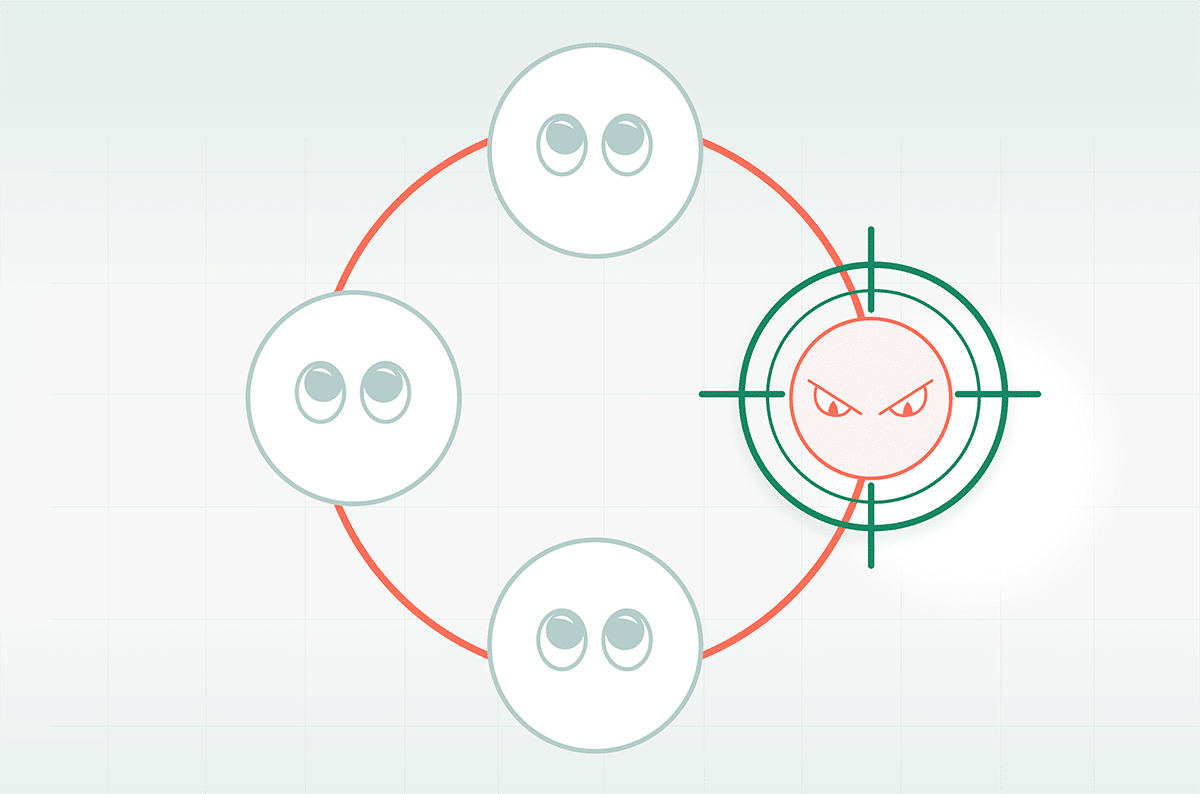
AI did not create data exposure. It changed the consequences of it. Sensitive data, excessive permissions, and broad access policies have long existed across cloud environments. In the AI era, those issues are no longer passive governance concerns. They directly influence what AI users, copilots, agents, and applications can access, process, and expose. AI has turned a posture problem into operational risk.
The challenge is not simply that more data is available. It is that AI can interact with that data at scale and in real time. A single misconfigured identity can now expose information across multiple systems far faster than traditional user workflows ever could.
Why Posture Alone Is No Longer Enough
Most organizations can discover sensitive data, monitor activity, and track identities. The challenge is that these insights often live in separate systems. Security teams may identify suspicious activity or excessive permissions, but they often struggle to correlate those signals in real time and determine what requires immediate attention. Without shared context, security teams spend valuable time pivoting between tools instead of prioritizing and responding to risk.
Turning Data Risk into an Operational Priority
This is where the integration between Cato XOps and Sentra becomes valuable. Sentra is a Data Security Posture Management (DSPM) platform that helps organizations discover, classify, and govern sensitive data across cloud and SaaS environments. Cato XOps provides the operational workflow where teams investigate, prioritize, and respond to activity across users, devices, applications, AI agents, and traffic.
The integration connects data posture with operational activity. Security teams can correlate posture findings with user, application, and network activity in the same workflow, reducing investigation time and accelerating remediation.
Instead of asking separate questions about data exposure and operational activity, teams can investigate posture findings and live activity in a single workflow. This shared context is especially important in AI-driven environments, where users, applications, and AI agents can interact with sensitive data at much higher volumes and speeds than before. Posture that once appeared to be a low-priority governance issue may become far more urgent when linked to active users, over-permissioned identities, or unexpected application activity. By combining Sentra’s data intelligence with Cato XOps’ operational visibility, security teams can focus on the risks that matter most and make response decisions based on business impact rather than isolated alerts.
Three Moments Where Shared Context Changes the Outcome
The value of combining operational and data context becomes clear during everyday security investigations.
- Compromised Identity
When a user, service account, or AI agent behaves suspiciously, XOps surfaces the activity. Sentra adds the missing context: what sensitive data that identity can access. Teams can prioritize incidents based on potential business impact rather than treating every compromise equally. - Risky Access Path
A spike in SaaS or repository activity may appear routine. With Sentra context in XOps, teams can see whether that activity involves sensitive, overexposed, or poorly governed data, helping them focus on the paths that matter most.
What appears to be normal application usage may actually represent access to regulated or business-critical information. Context helps separate routine activity from meaningful risk. - Posture Findings
Excessive permissions and repositories that expose too much data are often ignored in reports. By bringing Sentra findings into XOps workflows, teams can investigate, assign, track, and remediate issues with clear ownership and measurable progress.
Instead of remaining governance findings, posture issues become operational tasks that are prioritized and resolved through existing security workflows.
Across all three scenarios, the benefit is the same: faster prioritization based on genuine business risk.
A Better Operating Model for the AI Era
As AI adoption accelerates, data risk can no longer be managed separately from security operations. By connecting data intelligence with live operational activity, Sentra and Cato XOps help teams prioritize the risks that matter most and respond faster when it counts.
Learn more about the Sentra and Cato XOps integration and how to get started:


Related Articles
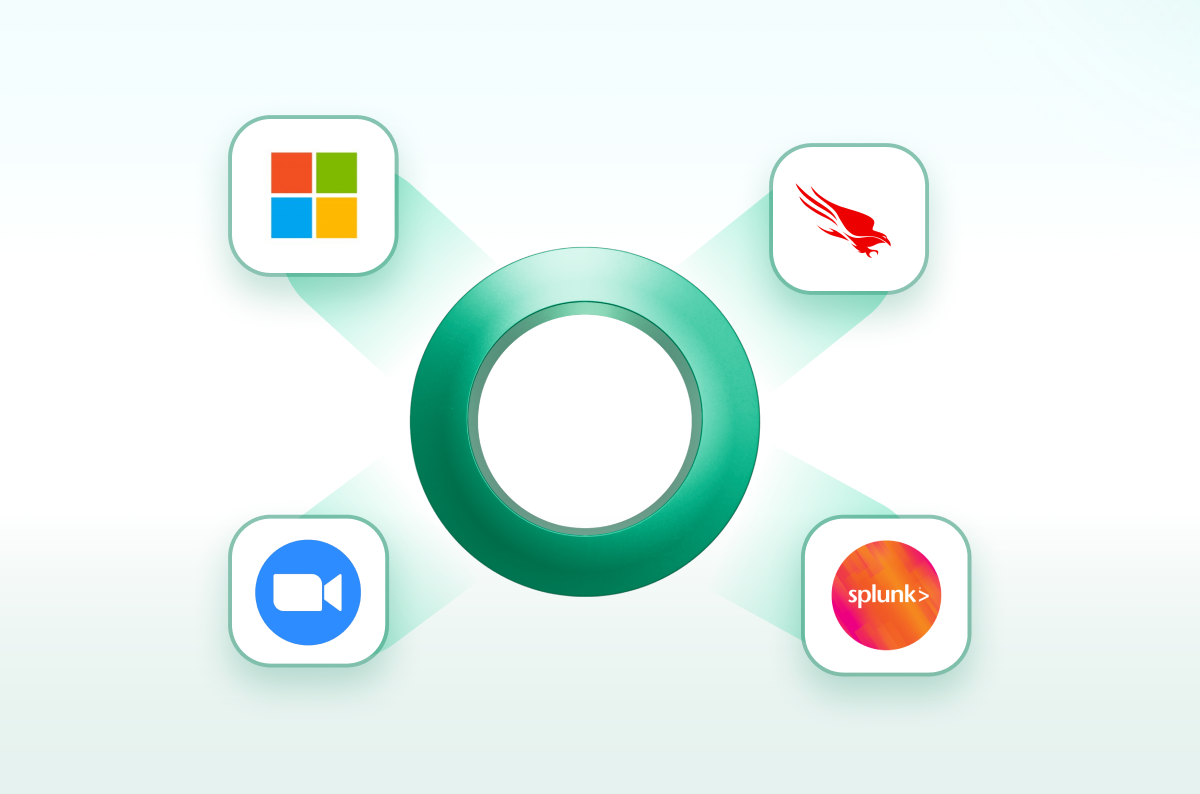
Cato Expands the Power of the Platform with New Technology Ecosystem

Eliminating Enterprise Browser Complexity in the Age of Universal ZTNA

From Alerts to Action: Dynamic Prevention