How Cato handled record-breaking traffic after Japan’s return from the Obon holiday


|
Listen to post:
🔊 This audio player requires that "Preferences" cookies be accepted
|
On Monday, August 17, 2026, Cato recorded record-breaking post-Obon traffic across its Japan Points of Presence (PoPs) as employees returned to work together. At one of Cato’s Tokyo PoPs, traffic rose to more than 15 times its typical level for the same morning period on normal business days.
After a long holiday, the morning commute springs back to life as everyone returns at once. Network traffic follows the same pattern with device check-ins, cloud synchronization, software updates, and collaboration sessions all resuming within a narrow window, turning the first workday into a concentrated resilience test. But even by those standards, the surge that happened on August 17 was large, exceeding the 2026 Golden Week benchmark by 7.1% and 78.35% higher than the post-Obon peak recorded in 2025.
For customers, moments like this are the real test of a networking and security cloud platform: ensuring their business continues without disruption even under extreme conditions. Cato was built for exactly that kind of certainty. As it did during Golden Week, the Cato SASE Platform absorbed the post-Obon surge while preserving secure, consistent access to the applications employees rely on. Its distributed PoP architecture and continuous capacity planning work together to anticipate demand, adapt in real time, and keep the user experience seamless when it matters most.
Why Obon Can Be a Unique Network Moment
Golden Week is Japan’s best-known return-to-work traffic event, and it remains an important benchmark. Obon can be equally demanding, though, and in some organizations more concentrated because the transition back to work often happens in a short, shared window. This is a combination of collaboration, file synchronization, cloud access, device activity, and business processes restarting together.
Cato delivers a converged network and security cloud through a global network of PoPs. These distributed service locations connect users, sites, cloud resources, and the Internet through a single, converged network and security service. In Japan, that distributed architecture gives the platform the regional reach and resilience needed to absorb high-concurrency, application-rich workdays.
What We Observed Across Japan PoPs
Figure 1 shows total traffic at one Tokyo PoP before, during, and immediately after the August 17, 2026, post-Obon return-to-work event.
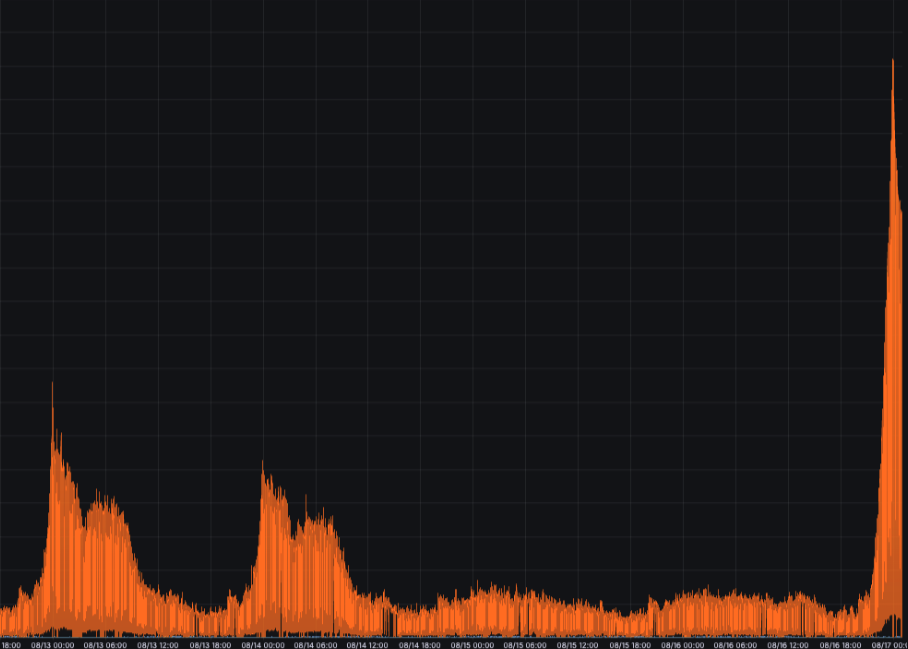
Figure 1. Traffic surged across Japan PoPs as users returned to work after Obon on August 17, 2026.
The Scale of the Surge
What we observed was clear: total peak traffic across Japan PoPs rose sharply during the return-to-work window. The post-holiday surge occurred on top of a significantly higher level of everyday traffic demand, making proactive capacity planning and resilience essential. Despite the increased demand, application experience remained consistent during the surge, as shown in Figure 2.
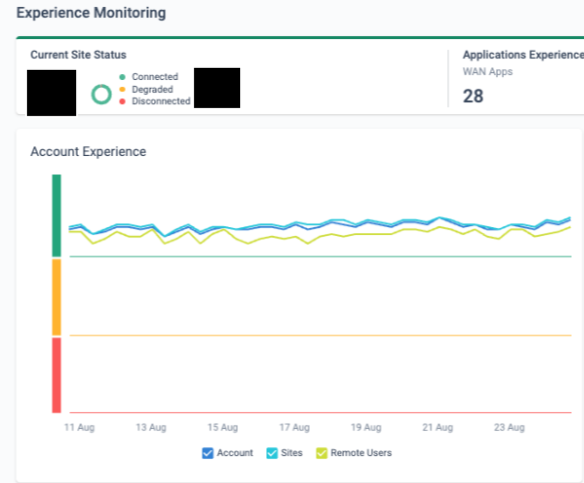
Figure 2. Capture from the Cato DEM shows consistent application experience during the surge.
How Cato Prepared for the Surge
Cato’s Japan footprint spans six PoP instances, including four in the Tokyo area and two in Osaka. This distributed architecture helps handle synchronized demand across the regional PoP footprint, rather than concentrating it in a single service location. The post-Obon increase was observed across multiple Tokyo and Osaka PoPs, reinforcing why resilience must be designed regionally.
Our preparations began ahead of Golden Week and continued through the Obon return period. They included expanding regional capacity through high-capacity routing, additional processing resources for encryption and inspection, and resilient internal data paths. These investments complement regular load reviews and close monitoring during predictable return-to-work events. When post-Obon traffic surged, the combination of distributed capacity, additional processing resources, and resilient data paths helped Cato absorb the synchronized demand while maintaining secure, consistent application access.
The Applications Behind the Surge
During the return-to-work window Microsoft services were the largest collective traffic contributor, with Windows Update, Microsoft General, OneDrive, and Office 365 all prominent (see Figure 3). The mix reflects a familiar post-holiday pattern: employees return, devices update, files synchronize, and collaboration services come back to life at scale.
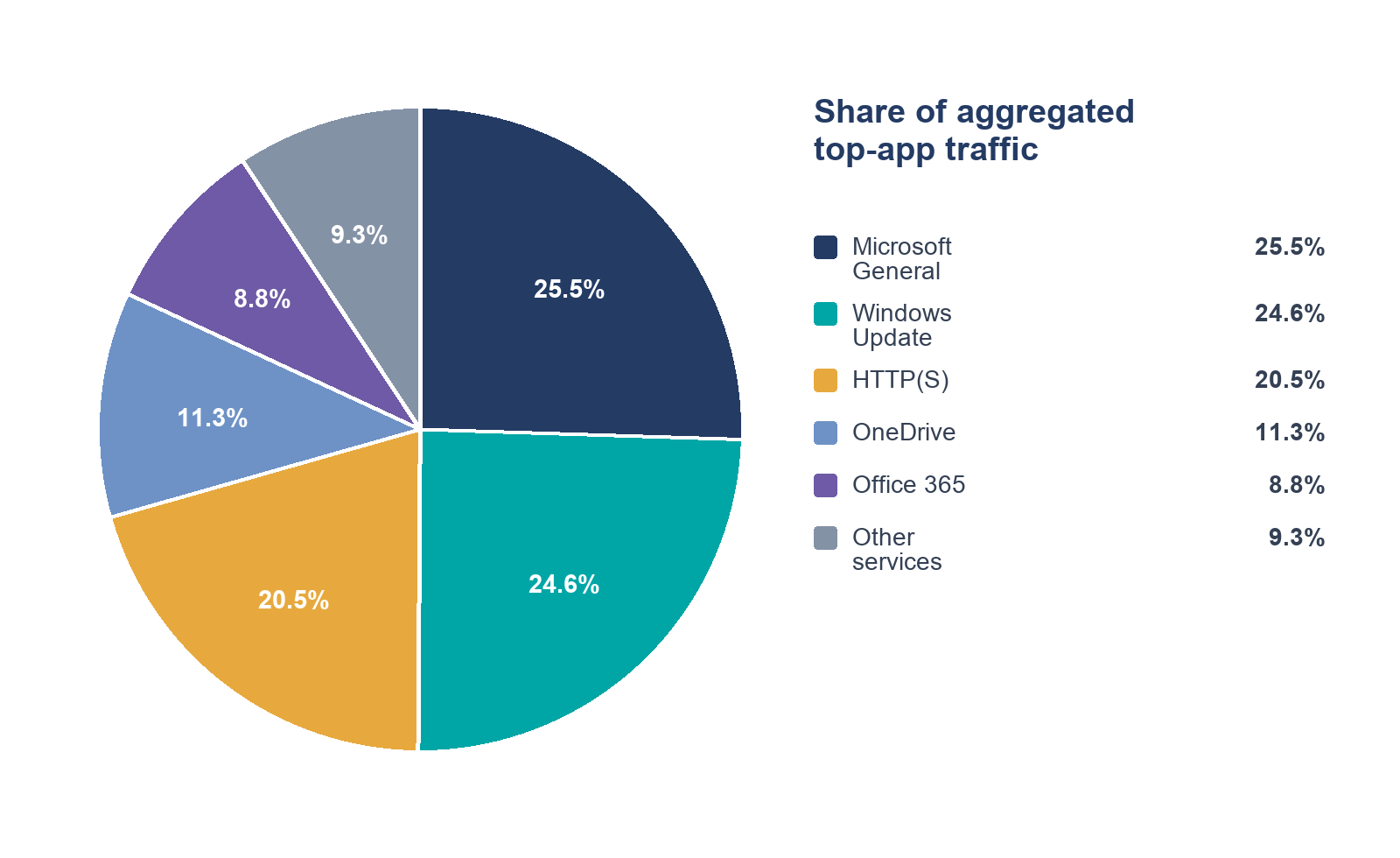
Figure 3. Aggregate top-app traffic share across Japan PoPs during post-Orban return to work.
Resilience That Users Do Not Have to Notice
Thriving under the kinds of load generated post Obon or Golden Week starts with processes and procedures well before the event. With over a decade of experience operating the global Cato SASE Cloud, the operations team can anticipate these recurring regional incidents.
Long-term capacity planning ensures sufficient network, storage, and compute capacity for regions. Regular load reviews accommodate synchronized demand while maintaining secure, consistent application access.
The most successful peak event is the one users never experience as an event. They sign in, reach their applications, collaborate with colleagues, and continue the day. Behind that simple experience is a SASE architecture built to distribute demand, maintain secure connectivity, and scale networking and security together.
The Cato SASE Platform unifies networking and security in one converged service. The global PoP architecture helps keep access steady as demand rises, while the platform scales to meet synchronized demand, without adding complexity for users or IT teams. The outcome is a resilient experience when everyone needs the same applications at the same time.


Related Articles
The GitHub Outage: How AI-Native SASE Visibility Turns Disruption into Decision




Securing AI Transformation: Why Cato Networks Acquired Aim Security


Cato Networks Named a SASE Industry Leader and Outperformer for the THIRD Consecutive Year