
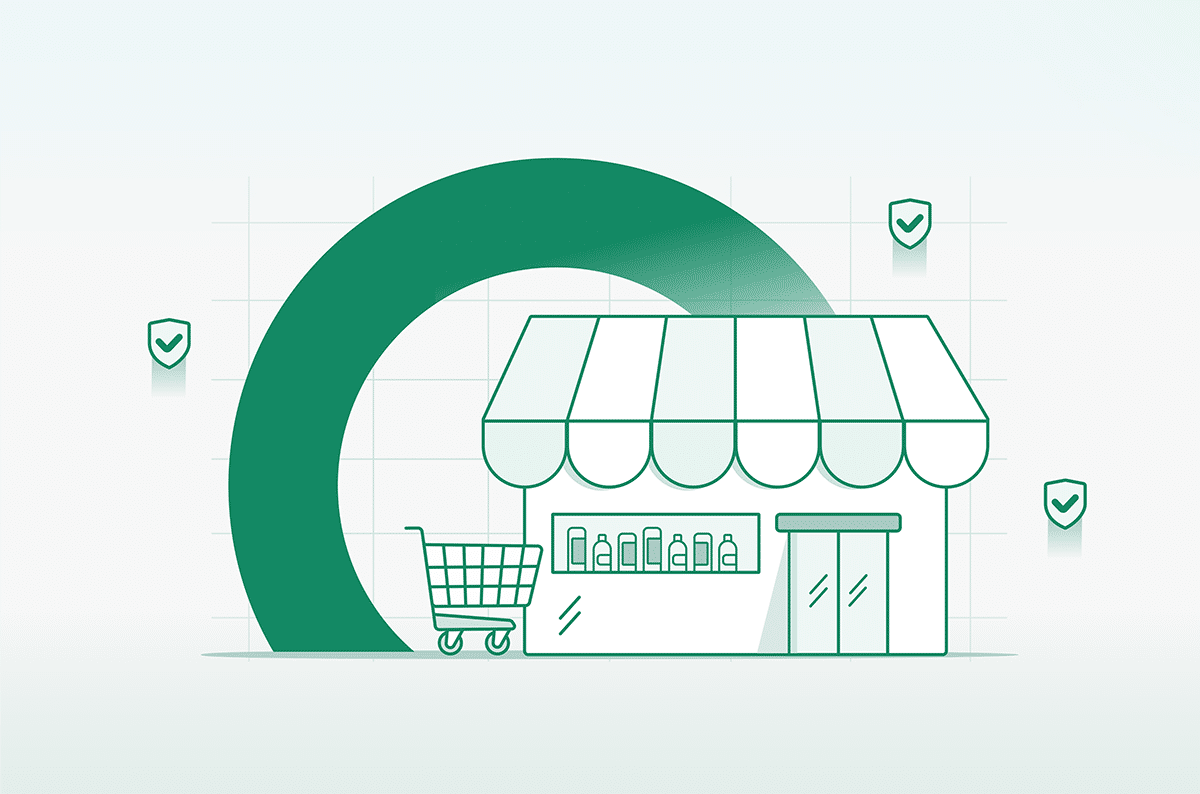
Meeting the Retail Industry’s Evolving Cybersecurity Needs

|
Listen to post:
🔊 This audio player requires that "Preferences" cookies be accepted
|
Retailers face increasing cybersecurity threats while navigating stringent compliance requirements. With an extensive digital presence across physical stores, e-commerce platforms, and supply chains, retailers are prime targets for cybercriminals seeking to steal financial and personal data. Ransomware attacks, phishing, and point-of-sale (POS) system breaches can lead to substantial financial and reputational damage. Security complexity increases as retailers manage thousands of endpoints, including POS systems, mobile applications, and Internet of Things (IoT) devices, while traditional firewalls struggle to provide reliable protection. Compliance with PCI DSS necessitates strong data encryption, access controls, and continuous monitoring, as failure to comply can lead to costly penalties and a loss of consumer trust.
Retailers must also address supply chain risks posed by some third-party vendor products. IoT devices, POS terminals, and barcode scanners, among others, are built on closed operating systems that cannot install anti-malware or on-device firewall software. This can present critical security vulnerabilities that expose sensitive retail systems. This also impacts the IT Security teams, as many small and mid-sized retailers lack dedicated cybersecurity resources. This makes it challenging to detect threats, comply with regulations, and maintain a compliant security posture.
To tackle these challenges, retailers need modern, cloud-delivered security solutions that offer real-time threat detection, zero-trust access controls, and compliance. Scalable cloud-native platforms mitigate risk, enhance data protection, and ensure resilience in a constantly evolving threat landscape.
Security Requirements for the Retail Industry
Retailers must safeguard customer data, financial transactions, and supply chain operations while adhering to stringent regulations. Their security environment includes physical stores, e-commerce platforms, mobile applications, and third-party vendors, providing multiple attack surfaces that cybercriminals could exploit.
To safeguard credit card data and personally identifiable information (PII), retailers must encrypt data in transit and at rest, implement tokenization, and enforce data loss prevention (DLP) policies. Compliance with PCI DSS requires network segmentation, multi-factor authentication (MFA), and continuous vulnerability scanning. Next-generation firewalls (NGFWs), intrusion prevention systems (IPS), and Zero Trust security models help detect and block threats in real time.
FWaaS Enhances Retail Security and Compliance
FWaaS transforms retail security by transitioning from hardware-based firewalls to a cloud-native, scalable model that ensures always-on protection and consistent security regardless of location. It eliminates the need for complex, on-premise infrastructure, providing centralized control alongside real-time security updates. By leveraging AI-driven threat intelligence, FWaaS swiftly detects and neutralizes cyber threats, safeguarding retailers from ransomware, phishing, and zero-day attacks.
To enhance compliance, FWaaS implements network segmentation, encrypts data in transit and at rest, and automates the enforcement of security policies across stores, warehouses, and cloud platforms. With a Zero Trust security architecture, FWaaS ensures that only authorized users and devices can access critical systems, thereby minimizing the risk of insider threats and unauthorized access. Its cloud-delivered architecture scales effortlessly, enabling retailers to expand securely without hardware constraints. FWaaS delivers enterprise-grade security with seamless compliance automation, ensuring that retailers can operate securely in an evolving digital landscape.
Securing retail’s digital edge: How SASE protects trust and drives competitive advantage | Get the White Paper
Cato FWaaS: Strengthening Retail Security and PCI-DSS Compliance
Cato FWaaS is a native feature of the Cato SASE Cloud platform, and combines real-time threat prevention, Zero Trust security, and cloud-delivered firewall protection into a single platform. It continuously monitors network traffic, blocks malware, ransomware, and zero-day threats, and enforces secure network segmentation, ensuring payment systems remain isolated from potential threats. As retailers embrace cloud and SaaS applications, Cato FWaaS provides advanced cloud security with built-in cloud security and advanced threat prevention capabilities. Cato eliminates security gaps and misconfigurations by enforcing consistent security policies across stores, warehouses, and digital platforms.
Retailers handling credit card transactions must comply with PCI DSS regulations. Cato FWaaS is the industry’s first SASE-native, PCI-DSS compliant security platform. It streamlines compliance through network segmentation, real-time threat detection, data encryption, and automated security updates. It also enforces multi-factor authentication (MFA), ensuring only authorized users can access sensitive payment information. With comprehensive logging and continuous monitoring, retailers can easily demonstrate compliance and mitigate regulatory risks.
Delivering enterprise-grade security, significant cost savings, operational simplicity, and scalability is a strength of Cato FWaaS. It eliminates the need for expensive on-premises firewalls, reduces capital expenditures (CapEx), and provides centralized, cloud-managed security. Automated updates guarantee ongoing protection, and its Zero Trust model safeguards against unauthorized access. It effortlessly scales as retailers expand, securing new locations without requiring additional hardware investments. By enhancing customer data protection and ensuring regulatory compliance, Cato FWaaS fosters trust and enhances cybersecurity resilience, enabling retailers to remain secure, compliant, and prepared for the future.
Secure Your Retail Business with Cato FWaaS
Legacy firewalls are not suitable for modern retail networks because they were designed for centralized, static environments. They weren’t designed for distributed, cloud-connected, and security-sensitive retail operations. This is why retailers can no longer rely on legacy security solutions to protect their data, customers, and brand reputation. Cato FWaaS provides a modern, cloud-native approach that enhances security, simplifies compliance, and improves operational efficiency.
Ready to transform your retail security strategy? Contact Cato Networks today and discover how FWaaS can safeguard your business against today’s most sophisticated threats.


Related Articles

When the M&A Deal Closes, Is Your Architecture Accelerating Time to Value?

Unmanaged Doesn’t Have to Mean Unprotected