Stop Guessing. Find the Root Cause with Cato DEM.

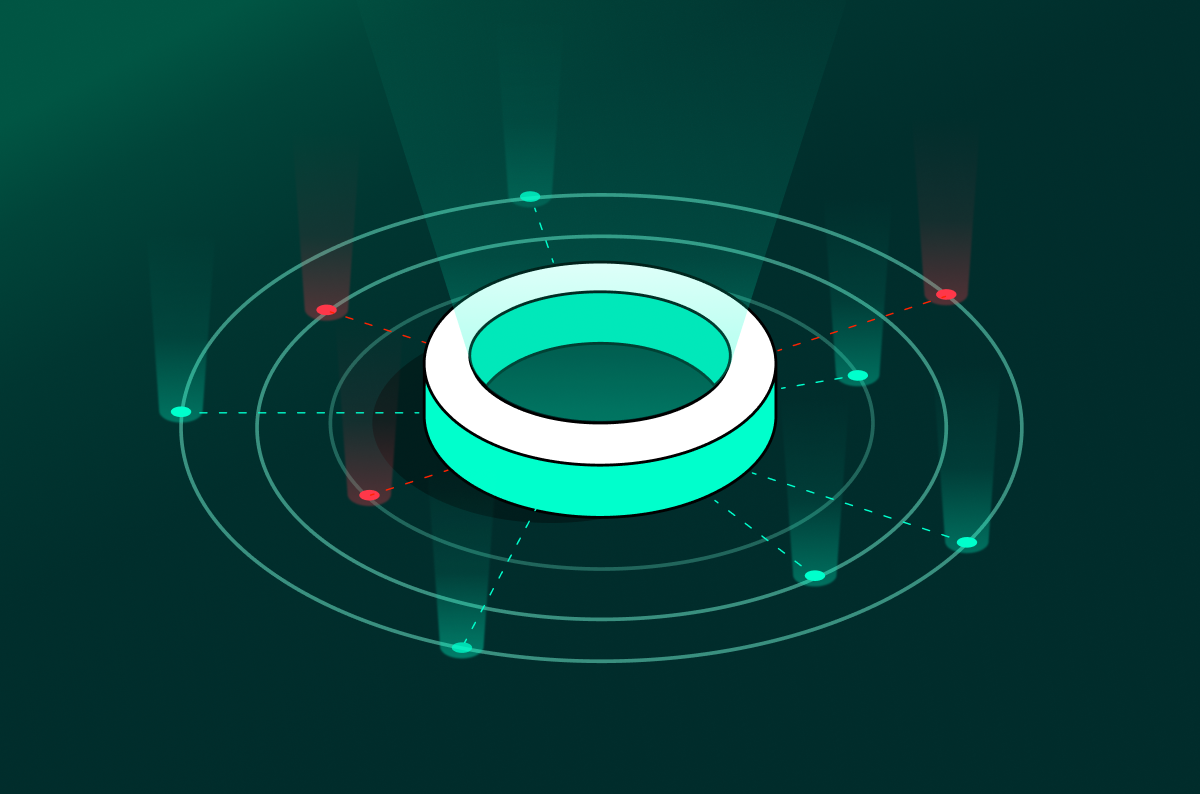
When a user says, “the application is slow,” IT has to answer a much harder question: where did the problem actually begin? The issue could be on the endpoint, local network, ISP, the network path, enterprise infrastructure, or application provider itself.
That investigation often takes time because teams have to reproduce intermittent problems, collect evidence from separate tools, and hand cases between endpoint, network, and application owners. By the time troubleshooting starts, the evidence behind a transient issue may already be gone.
Cato Digital Experience Monitoring (DEM) Root Cause Analysis (RCA) changes that workflow. RCA brings together the broad range of experience signals available across Cato DEM, along with additional context from the Cato Management Application (CMA), to identify the likely fault domain and give IT a clearer place to investigate next.
The result is a more evidence-driven troubleshooting process: less time assembling the story after the fact, clearer ownership when issues cross teams, and a faster path from a vague user complaint to a focused investigation.
When “It’s Slow” Doesn’t Tell IT Where to Start
To an employee, very different problems can feel exactly the same. A weak Wi-Fi connection, last-mile congestion, a network path issue, or SaaS provider degradation may all result in the same complaint: “It’s slow.”
For IT, the challenge is not simply confirming that the experience was poor. It is determining where the experience likely broke down and which team should investigate first. A single complaint can span multiple technology domains, while many monitoring tools expose only fragments of that path.
This is especially difficult with intermittent issues. A user may report a frozen video call or a slow application after the condition has already cleared. If the team must recreate the problem before it can collect useful evidence, troubleshooting starts with a disadvantage.
Cato DEM RCA Turns Evidence Into a Starting Point
Cato DEM brings Root Cause Analysis directly into the digital-experience workflow. Instead of leaving administrators to reconstruct the troubleshooting picture manually, RCA correlates endpoint, network, application, and historical path evidence in a single investigation.
The goal is practical: turn available telemetry into a defensible starting point. RCA helps administrators identify the likely fault domain and determine where to act next. That may mean resolving the issue within the current team or routing it once, with supporting evidence, to the team best positioned to investigate.
For help desk, network, and digital workplace teams, that can reduce repeated testing and avoid unnecessary back-and-forth between owners. The investigation begins with context that has already been captured, rather than with a fresh search for clues.
RCA is therefore not another silo of telemetry. It is the layer that makes DEM evidence more actionable.
New Evidence Makes RCA More Actionable
RCA already draws on a broad set of DEM and CMA signals. Network Adapter Metrics and Client Traceroute add two more sources of evidence to the same RCA workflow.
Network Adapter Metrics adds endpoint and local-connectivity context, including adapter type, BSSID, channel, noise, and signal strength. This helps IT assess whether local conditions such as Wi-Fi are contributing to a poor experience.
Client Traceroute adds historical hop-by-hop path evidence from the client. It can reveal latency, loss, and path behavior that might otherwise disappear before the investigation begins, making it particularly useful for intermittent and remote-user issues.
The important point is that administrators do not have to treat these as standalone diagnostics and manually correlate the results. Both enrich the same RCA workflow with additional native context.
From “Zoom Is Freezing” to a Focused Investigation
Consider a remote employee who reports, “My Zoom calls keep freezing.” Without correlated evidence, IT may need to test the device, Wi-Fi, ISP, corporate network, and application provider one at a time.
With Cato DEM, RCA can bring together Network Adapter Metrics, Client Traceroute, in-tunnel traceroute, UCaaS or Real User Monitoring experience data, and network and Cato context in one investigation. Instead of starting with every possible domain, the team gets a likely fault domain and a focused place to begin.
RCA can also look beyond the individual user who triggered the investigation. Correlating experience data from other users can help determine whether the issue is isolated or shared and reveal the broader blast radius of the problem. For example, the evidence may point the investigation toward local Wi-Fi conditions. In another case, path evidence may show that the issue should be routed elsewhere. Either way, IT can start from evidence rather than guesswork.
Less Detective Work Across the Network You Already Have
By preserving and correlating evidence, RCA can accelerate triage, clarify ownership, reduce unnecessary handoffs, and help restore user productivity sooner. The operational shift is simple: teams spend less time finding and assembling evidence and more time acting on it.
That value does not require customers to replace their existing network. Digital-experience issues often cross technology and network boundaries, and Cato DEM is designed to provide visibility and RCA across Cato SASE and supported third-party network environments.
Organizations can begin with a focused troubleshooting use case and expand the shared evidence layer over time. Cato DEM helps IT move from “something is slow” to “here is where to investigate” – with the evidence already in hand.
Please visit the Cato DEM product webpage. For detailed information, refer to the Cato Knowledge Base.


Related Articles
Building a Resilient City: How Cato Rolls Out PoP Changes Safely



Cato Managed SASE for SMB: Flexible Capacity, Faster Onboarding

The Partner Advantage: Turn Customer M&A Chaos Into Opportunity